The Perfect 7-Day Big Island of Hawaiʻi Itinerary
The Big Island is vast, diverse, and impossible to see in one go. This practical 7-day itinerary covers the absolute must-see highlights, balancing adventure with the aloha spirit.
Trying to plan a trip to the Big Island of Hawaiʻi can feel overwhelming—it’s larger than all the other Hawaiian islands combined. This isn't a place you can conquer from a single home base. Our 7-day itinerary is designed to give you a comprehensive tour of the island's incredible diversity, from the sun-drenched beaches of Kona to the fiery heart of Hawaiʻi Volcanoes National Park, all without spending your entire vacation in the car.
This plan assumes you’ll split your stay between the west (Kona) and east (Hilo or Volcano) sides of the island, which is the most efficient way to experience its distinct climates and attractions. Get ready for a week of unforgettable adventure.
Before You Go: Logistics & Planning
A little preparation goes a long way on the Big Island. Here are the essentials:
- Rental Car: This is non-negotiable. The island’s scale and limited public transit make a car essential. A standard sedan is fine for this itinerary, but a 4WD vehicle opens up more remote areas (like the summit of Mauna Kea or certain beaches) if you plan to venture off this path.
- Flights: For maximum efficiency, consider flying into Ellison Onizuka Kona International Airport (KOA) and out of Hilo International Airport (ITO), or vice versa. However, flying round-trip from KOA is most common and works perfectly well.
- Packing: The Big Island has 8 of the world's 13 climate zones. Pack layers. You'll need swimwear and shorts for the coast, a rain jacket for the lush Hilo side, and warm clothing (pants, fleece, jacket) for the high altitudes of Mauna Kea and Hawaiʻi Volcanoes National Park, where evening temperatures can drop significantly.
- Accommodations: Book your lodging well in advance, especially for the Volcano Village area. Splitting your stay (e.g., 3-4 nights in Kona, 3 nights in Hilo/Volcano) is the key to this itinerary. Whether you're looking for a luxury resort on the Kohala Coast or a cozy inn near Volcano village, planning your lodging is a key part of the trip. Many travelers use platforms like High End Hawaii to find unique vacation rentals that offer a more local experience.
Day 1: Arrival and Settling into Kailua-Kona
Welcome to Hawaiʻi! You'll likely fly into the stunning open-air Kona airport (KOA). Pick up your rental car and head south to your accommodations in or around the vibrant seaside town of Kailua-Kona.
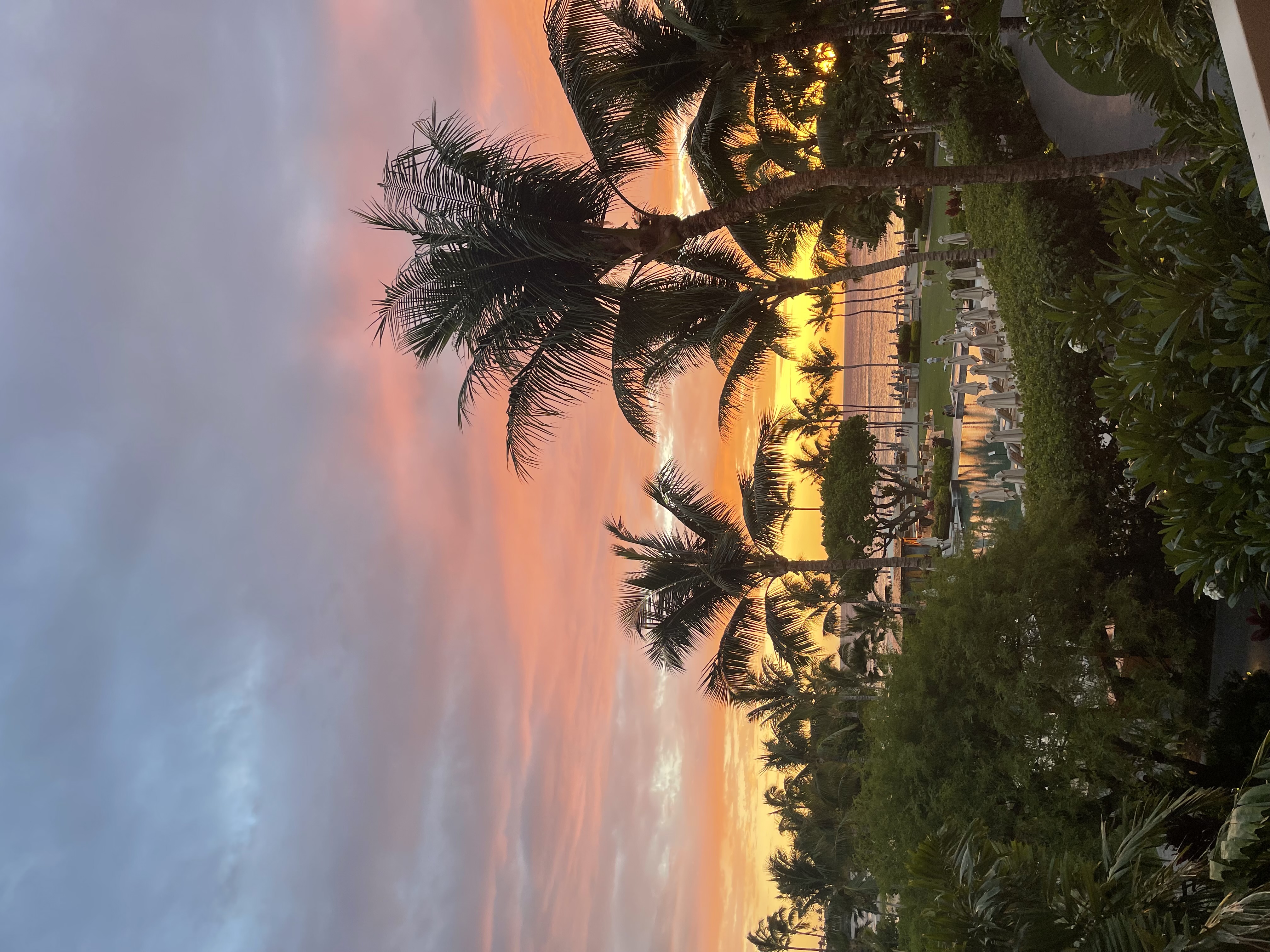
Today is about easing into the island rhythm. After checking in, take a leisurely stroll along Aliʻi Drive, the town's main thoroughfare. You'll pass by Huliheʻe Palace and Mokuʻaikaua Church, Hawaiʻi's oldest Christian church. Find a waterfront restaurant for dinner and watch the sunset over Kailua Bay. Don't overdo it—you have an adventurous week ahead.
Day 2: South Kona's History and Marine Life
Today, we explore the rich history and pristine waters of the South Kona coast.
Morning: Snorkeling at Kealakekua Bay
Kealakekua Bay is a protected marine life conservation district famous for its clear water and abundant fish. It's also the site where Captain James Cook first landed on the island and was later killed. The easiest way to experience the bay's best snorkeling near the monument is by joining a guided boat or kayak tour. These tours often provide gear and share cultural and historical context. The alternative is a strenuous hike down a rugged trail, which is not recommended for casual visitors.
Afternoon: Puʻuhonua o Hōnaunau National Historical Park
Just south of Kealakekua Bay lies one of Hawaiʻi's most sacred historical sites. Puʻuhonua o Hōnaunau was a place of refuge for ancient Hawaiians who broke kapu (sacred laws). If they could reach this sanctuary, they would be absolved. The restored site offers a powerful glimpse into pre-contact Hawaiian culture. Walk the self-guided tour, admire the formidable Great Wall, and feel the history in the air. Adjacent to the park is Hōnaunau Bay (also known as "Two Step"), another excellent snorkeling spot easily accessible from shore.
Day 3: The Sun-Kissed Kohala Coast
Head north from Kona to the Kohala Coast, known for its world-class resorts, lava-rock landscapes, and some of the island's best white-sand beaches.
Make your first stop at Kua Bay (Maniniʻōwali Beach). This crescent of fine white sand and turquoise water is a local favorite. Arrive early, as the parking lot is small and fills up quickly.
Continue north to Hāpuna Beach State Recreation Area. This half-mile stretch of sand is consistently ranked among the world's best beaches. It's perfect for swimming and sunbathing, though be mindful of the shorebreak, especially during winter swells. Facilities include lifeguards, restrooms, and picnic areas.
In the afternoon, you can continue to the northernmost tip of the island to explore the charming, artsy towns of Hāwī and Kapaʻau before looping back to Kona.
Day 4: Crossing the Island to the East Side
Today is a travel day, but a spectacular one. You'll drive from the dry Kona side to the lush Hilo side, witnessing a dramatic change in landscape.
You have two main route options:
- Saddle Road (Hwy 200): The fastest and most direct route. This modern highway cuts through the 'saddle' between Mauna Kea and Mauna Loa, offering otherworldly views of the massive shield volcanoes.
- Northern Route (Hwy 19): A more scenic coastal drive that passes through Waimea.
We recommend taking Hwy 19 and stopping in the town of Waimea (also called Kamuela). This is the heart of Hawaiian cowboy (paniolo) country, with rolling green pastures that feel more like Ireland than Hawaiʻi. From Waimea, you'll drive down the Hāmākua Coast towards Hilo, a stunning stretch of road with ocean views and deep gulches.
Check into your lodging in Hilo or, for easier access to tomorrow's main event, in the tiny, rainforest-enveloped Volcano Village just outside the national park.
Day 5: Hilo's Waterfalls and Rainforest Charm
Discover the beauty of the island's wet side. Hilo receives over 130 inches of rain per year, feeding a landscape of lush rainforests and dramatic waterfalls.
Start your morning at ʻAkaka Falls State Park, about 11 miles north of Hilo. A pleasant 0.4-mile paved loop takes you through a jungle of tropical plants to viewpoints of the 100-foot Kahūnā Falls and the majestic 442-foot ʻAkaka Falls.
Next, head back to Hilo to see Rainbow Falls (Waiānuenue). Located right in town, these falls are best viewed in the morning when the sun hits the mist, creating rainbows. Just upstream is Peʻepeʻe Falls and a series of pools known as the "Boiling Pots."
Spend the afternoon exploring historic downtown Hilo. Its bayfront has beautifully preserved buildings from the early 20th century, housing unique shops, galleries, and restaurants. Don't miss the Hilo Farmers Market for a vibrant display of tropical fruits and local crafts.
Day 6: Hawaiʻi Volcanoes National Park
This is the day many visitors dream of. Home to Kīlauea, one of the world's most active volcanoes, this UNESCO World Heritage site is a dynamic and unforgettable place. Always check the official National Park Service (NPS) website for the latest eruption updates, closures, and viewing information before you go.
- Morning: Start at the Kīlauea Visitor Center for maps and ranger advice. Drive along Crater Rim Drive to the Kīlauea Overlook for a panoramic view of the massive Kīlauea caldera and the Halemaʻumaʻu crater.
- Mid-Day: Hike the Kīlauea Iki Trail. This 4-mile loop descends through a rainforest, crosses the floor of a solidified lava lake from a 1959 eruption, and ascends back to the crater rim. It's one of the best hikes in all of Hawaiʻi.
- Afternoon: Drive the 19-mile Chain of Craters Road down to the coast. This dramatic road descends 3,700 feet, with numerous pull-offs to see past lava flows, pit craters, and stunning coastal views. At the end, you'll find the Hōlei Sea Arch.
- Evening: If an eruption is happening, the real magic begins after dark. Head to one of the designated viewing areas (like the Kīlauea Overlook) to see the dramatic glow from the lava lake in Halemaʻumaʻu crater. Check with the NPS for the best and safest viewing locations. The sight of molten earth lighting up the night sky is truly humbling.
Day 7: Puna's New Landscapes & Departure
Your final day offers a look at the island's most recent transformations before you head home.
Take a scenic drive through the lower Puna district, an area dramatically altered by the 2018 Kīlauea eruption. The drive along Highway 137 (the "Red Road") is breathtaking, winding under a canopy of mango trees and along a coastline of rugged sea cliffs. You can visit Isaac Hale Beach Park to see the new black sand beach that was formed in 2018, a testament to the island's constant state of creation.
From Puna, you can either drive directly to Hilo (ITO) for your flight home or begin the 2-2.5 hour drive back to Kona (KOA) via Saddle Road. Allow plenty of time for this final leg of your journey, reflecting on an incredible week exploring the magnificent island of Hawaiʻi.