The Big Island Airport Guide: Flying into Kona (KOA) vs. Hilo (ITO)
The Big Island has two main airports: Kona (KOA) on the west and Hilo (ITO) on the east. Choosing the right one is the first step in planning a seamless Hawaiʻi Island vacation.
Flying to the Big Island presents a unique choice you won't find on other Hawaiian islands: which airport should you use? Hawaiʻi Island is served by two major airports on opposite coasts—Ellison Onizuka Kona International Airport (KOA) on the sunny west side and Hilo International Airport (ITO) on the tropical east side. Choosing the right one can save you hours in the car and set the perfect tone for your trip.
This guide breaks down everything you need to know about flying into Kona versus Hilo. We'll cover their locations, amenities, and the attractions they serve best, helping you make the most logical choice for your Big Island itinerary.
An Island of Two Airports
The sheer size of the Big Island—over 4,000 square miles, according to the State of Hawaiʻi—makes the airport decision a critical part of your travel planning. The drive between Kona and Hilo can take two to three hours depending on the route, so flying into the airport closest to your accommodations is almost always the best strategy.
- Ellison Onizuka Kona International Airport (KOA): Located on the dry, sunny western coast near the island's main resort areas. This is the primary airport for most visitors, with the most direct flights from the U.S. mainland.
- Hilo International Airport (ITO): Situated on the lush, rainy eastern coast. It's the gateway to Hawaiʻi Volcanoes National Park and the island's more rugged, jungle-like landscapes.
Think of them not just as airports, but as portals to two very different sides of Hawaiʻi Island. Your choice depends entirely on what you want to see and do.
Kona International Airport (KOA): Gateway to the Sun
Kona International Airport is the largest and busiest airport on the island. For many, the arrival experience here is the arrival to Hawaiʻi: you disembark the plane directly onto an open-air tarmac and walk through outdoor terminals with Polynesian-style thatched roofs. The warm, dry air hits you immediately, and there's no question you're in paradise.
Location & Vibe
KOA is located about 8 miles north of the historic town of Kailua-Kona and is perfectly positioned for visitors staying along the Kona and Kohala coasts. The vibe is bustling, efficient, and oriented toward tourism. Because it's almost entirely outdoors before security, waiting for a flight can be hot, but it also feels uniquely Hawaiian.
Airlines & Destinations
KOA is the island's hub for trans-Pacific flights. You'll find direct service from major hubs across the western U.S. and Canada, with seasonal flights from further east.
- Major Domestic Carriers: Alaska Airlines, American Airlines, Delta Air Lines, Hawaiian Airlines, Southwest Airlines, United Airlines.
- International Carriers: Japan Airlines, WestJet.
- Inter-Island: Hawaiian Airlines and Southwest Airlines offer frequent daily flights to Honolulu (HNL), Kahului (OGG), Līhuʻe (LIH), and Hilo (ITO).
Facilities & Services
- Rental Cars: All major rental car companies operate at KOA. Their facilities are located a short shuttle ride away from the terminals. Shuttles run constantly, but you should factor in an extra 15-20 minutes to get to your car. Book your vehicle far in advance, especially during peak season.
- Food & Shops: Options are limited. There's a main restaurant and bar, a few grab-and-go counters, and a couple of gift shops. It's best to eat before you arrive or plan to eat after you leave.
- Ground Transportation: In addition to rental cars, you can find taxis, pre-booked shuttles (like SpeediShuttle), and ride-sharing services like Uber and Lyft.
Best For:
Fly into KOA if your itinerary is focused on the west side of the island. This includes Kailua-Kona, the resort areas of the Kohala Coast (like Waikoloa and Mauna Lani), and activities like snorkeling, diving, coffee farm tours, and relaxing on sandy beaches.
Hilo International Airport (ITO): Doorway to the Volcano
Flying into Hilo offers a completely different experience. The airport is smaller, quieter, and feels more like a local community hub. It has a traditional, enclosed terminal building—a practical design given Hilo is one of the wettest cities in the United States. Your arrival here is less about beach resort vibes and more about plunging into the island's wild, natural beauty.
Location & Vibe
ITO is conveniently located just two miles from downtown Hilo. The atmosphere is relaxed and low-key. Because the rental car counters are directly across from baggage claim, the process of getting your luggage and vehicle is often quicker and simpler than at KOA.
Airlines & Destinations
Hilo has far fewer direct flights from the mainland U.S. Most travelers arriving here will connect through Honolulu (HNL) on an inter-island flight.
- Main Carriers: Hawaiian Airlines and Southwest Airlines are the primary operators, with extensive inter-island service.
- Direct Mainland Service: United Airlines offers some direct flights from the west coast, but these can be less frequent than those to Kona.
Facilities & Services
- Rental Cars: The rental car counters are conveniently located in an building just across the street from baggage claim. You can walk right over, get your keys, and find your car in the adjacent lot. No shuttle needed.
- Food & Shops: Extremely limited. There is a small coffee stand, a restaurant, and a gift shop, but don't count on having many options.
- Ground Transportation: Taxis and ride-sharing are available, but a rental car is even more critical on the Hilo side due to the spread-out nature of attractions.
Best For:
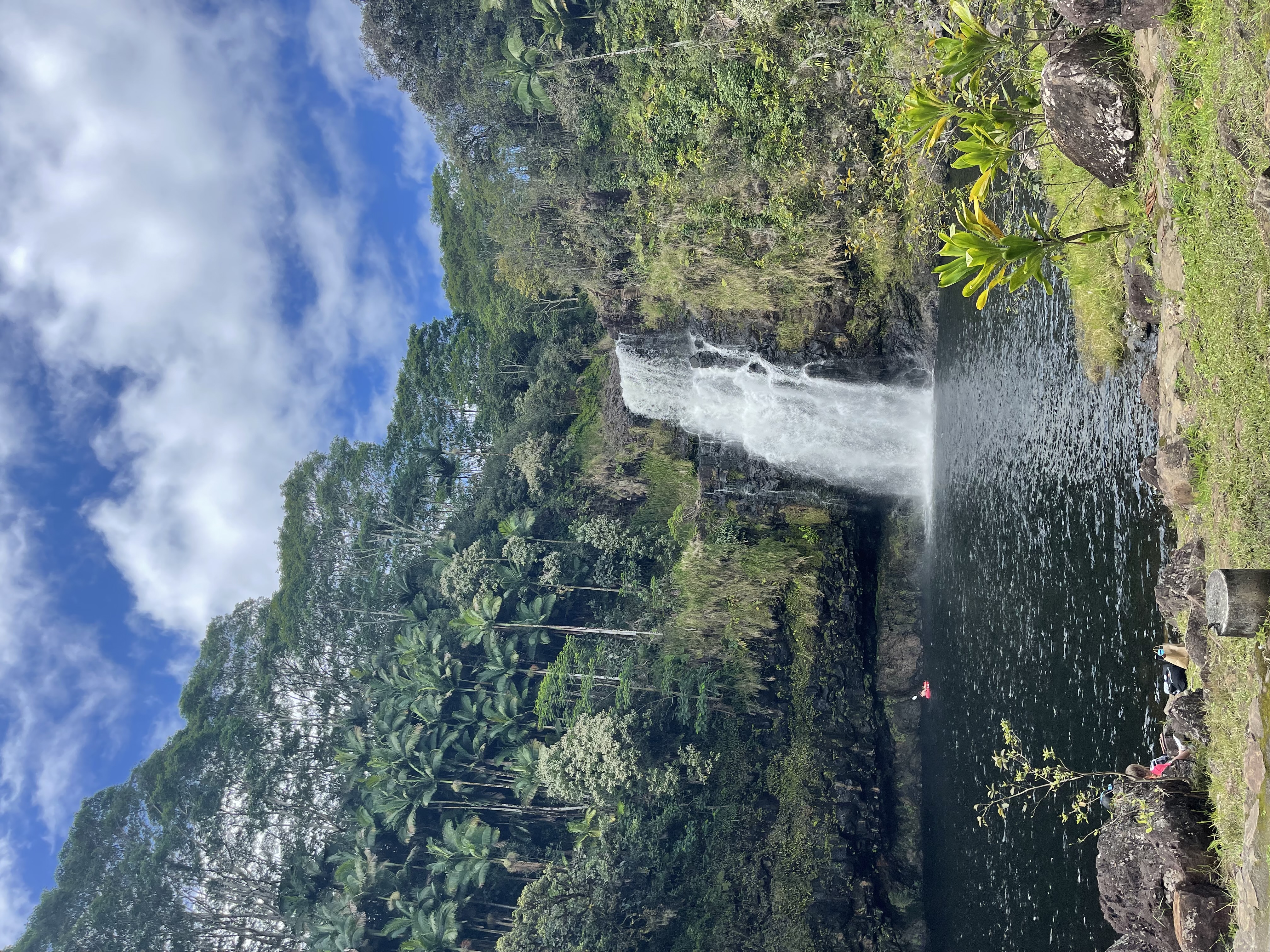
Fly into ITO if your priority is exploring the east side of Hawaiʻi Island. It's the unquestionable best choice if your main goal is visiting Hawaiʻi Volcanoes National Park, as it's only a 45-minute drive away. It's also ideal for exploring Hilo town, the waterfalls of the Hāmākua Coast, and the lush Puna district.
Which Airport Should You Fly Into?
Deciding is simple if you answer one question: where will you be spending most of your time?
-
Fly into Kona (KOA) if: You're staying in Kailua-Kona, Keauhou, Waikoloa, or anywhere on the Kohala Coast. Choose KOA if your priorities are sunny weather, sandy beaches, snorkeling, and resort amenities. It is also the side of the island that hosts many popular ocean tours, like the ones offered by High End Hawaii.
-
Fly into Hilo (ITO) if: You're staying in Hilo, Volcano Village, or Puna. Choose ITO if your primary reason for visiting is to see Kīlauea at Hawaiʻi Volcanoes National Park, chase waterfalls, or explore the island's lush rainforests.
For a quick comparison:
| Feature | Kona International Airport (KOA) | Hilo International Airport (ITO) |
|---|---|---|
| Location | West Hawaiʻi (Kailua-Kona) | East Hawaiʻi (Hilo) |
| Vibe | Open-air, bustling, resort-focused | Enclosed, quiet, local |
| Weather | Typically hot and sunny | Often rainy and humid |
| Proximity to... | Kohala Coast resorts, Kona beaches | Hawaiʻi Volcanoes NP, waterfalls |
| Mainland Flights | Many direct routes | Fewer direct routes |
| Rental Cars | Short shuttle ride to lots | Walk across the street to counters |
Flying Between Airports & The "Bookend" Strategy
Many savvy travelers choose to fly into one airport and out of the other. This "bookend" approach is an excellent way to see both sides of the island without spending a full day backtracking. For example:
- Fly into Hilo (ITO).
- Spend 2-3 days exploring Hawaiʻi Volcanoes National Park and the east coast.
- Drive across the island to the Kona side.
- Spend the rest of your vacation enjoying the beaches and sun.
- Fly home from Kona (KOA).
Hawaiian Airlines and Southwest both offer quick, 35-minute flights between Kona and Hilo, but once you factor in airport security and transit time, driving the Saddle Road between the two is often just as fast and offers incredible scenery.
Getting To and From the Airports
Regardless of where you land, a rental car is the best way to explore the Big Island. The island's public bus system, Hele-On, exists but is not practical for visitors on a schedule. Ride-sharing services are available but can be expensive for long distances and unreliable in rural areas.
- Rental Cars: A near-necessity. Book as far in advance as possible for the best rates and availability.
- Shuttles: SpeediShuttle offers shared and private transfers to major hotels and resorts, primarily from KOA.
- Taxis & Ride-Sharing: Available at both airports, but best for short trips into Kailua-Kona or Hilo town.
Practical Tips for Big Island Airport Travel
- Agricultural Screening: All checked luggage heading to the U.S. mainland must be scanned at an agricultural inspection station before you check in with your airline. The stations are located curbside. Don't forget this step!
- Arrive Early for KOA: The open-air layout at Kona means security and gate areas can get crowded and hot. The U.S. National Park Service and other official sources recommend arriving 2 to 2.5 hours before your departure time.
- Dress for the Climate: At KOA, you'll be mostly outdoors until you clear security. Wear light, comfortable clothing. At ITO, have a rain jacket handy, as you'll likely encounter a shower.
Related Reading: