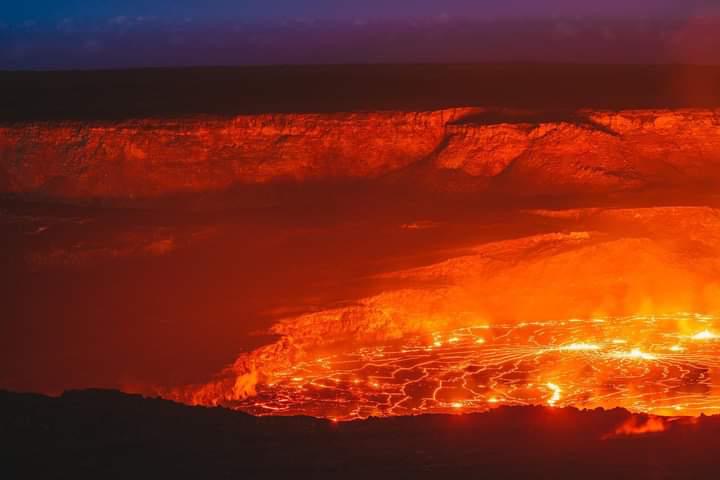
When is the Best Time to See Lava on the Big Island?
Planning a trip to see Kīlauea's glow? Understanding volcanic activity is key. Here's our practical guide on the best time to see lava on Hawaiʻi's Big Island.
The allure of seeing molten earth is a powerful draw for visitors to the Big Island. But determining the "best time" to see lava isn't like scheduling a whale watch; it's an encounter with one of nature's most dynamic forces. The real answer depends entirely on Kīlauea, Hawaiʻi's youngest and most active volcano, and whether she decides to put on a show during your visit. This guide will help you understand the factors at play and how to maximize your chances of witnessing this incredible spectacle safely and respectfully.
Understanding Kīlauea's Activity: A Game of Timing
First, a crucial point: you can only see lava when there is an active eruption with lava visible on the surface. While Kīlauea is one of the world's most active volcanoes, it goes through periods of eruption and pause. In recent years, eruptions have been confined entirely within Halemaʻumaʻu crater at the summit of Kīlauea. These eruptions can last for weeks, months, or even years, but they can also stop with little notice.
Therefore, the absolute best time to see lava is when an eruption is happening. This is not tied to a season, a month, or a time of year. It is entirely dependent on geology and the whims of Pele, the Hawaiian deity of fire and volcanoes.
Before you book a flight specifically for lava viewing, and certainly before you drive to the national park, you must check the current status of the volcano. Volcanic activity can change daily, even hourly.
Where to Check for Current Lava Activity
Your two most important sources for accurate, up-to-the-minute information are the U.S. government agencies that monitor the volcanoes.
- USGS Hawaiian Volcano Observatory (HVO): The HVO is the scientific authority on volcanic activity in Hawaiʻi. Their website provides daily updates, webcams, photos, and hazard analysis. This is the primary source for determining if an eruption is active.
- Hawaiʻi Volcanoes National Park (NPS): The NPS manages the lands around the volcano and is the authority on visitor access and safety. Their What's Happening with the Volcanoes page is essential reading. It tells you not just if there's an eruption, but where and if it's visible from public viewing areas. It also lists any trail or road closures.
Bookmark these sites. Check them before your trip and on the day you plan to visit. Do not rely on social media posts or third-hand information, which can be outdated.
The Best Time of Day for Lava Viewing
If lava is active and visible, the best time of day to see it is unquestionably at night. While you can see the eruption's gas plume and sometimes surface flows during the day, the iconic, brilliant orange-red glow is only truly visible in darkness.
- Dusk: A great time to arrive. You can see the landscape in the fading light and watch as the glow intensifies when the sun goes down. Crowds begin to build at this time.
- Night (after 8 PM): This is primetime for lava glow. The dark sky provides maximum contrast. Be prepared for large crowds, especially if the eruption is new or particularly vigorous.
- Dawn: An excellent, often overlooked time. You can arrive in the dark to see the full glow with far fewer people, and then witness the stunning sunrise over the caldera. The air is often clearer in the morning.
Daytime viewing is still worthwhile. You can appreciate the scale of the caldera, see the steam and gas rising, and understand the geologic context of the eruption. But for the classic lava experience, plan for a nighttime visit.
Primary Viewing Locations in Hawaiʻi Volcanoes National Park
When Kīlauea erupts within Halemaʻumaʻu crater, all legal and safe viewing is from a distance on the caldera rim inside Hawaiʻi Volcanoes National Park. The best vantage point can change depending on where the eruptive vent is located within the crater. Always check the NPS website for the latest recommended viewing spots.
Here are the most common viewing areas from recent eruptions:
| Viewing Area | Access | Pros & Cons |
|---|---|---|
| Kīlauea Overlook | Easy, short walk from parking. | Pros: Accessible, restroom facilities nearby. Cons: Extremely crowded. |
| Uēkahuna | Short walk from parking near old Jaggar Museum site. | Pros: Higher elevation provides a panoramic view. Cons: Can be very windy and cold. |
| Keanakākoʻi Overlook | ~1 mile walk (2 miles roundtrip) on paved trail. | Pros: Fewer crowds, potential for a closer line of sight. Cons: Requires walking in the dark. |
| Crater Rim Trail | Various points along the trail. | Pros: Multiple angles, find your own spot. Cons: Requires more walking, some spots have obstructed views. |
Important: Parking fills up very quickly during an eruption. The park may implement temporary traffic control. Be patient, or consider visiting at off-peak hours like early morning.
Is There a "Best Season" to See Lava?
No. Volcanic activity is completely independent of weather patterns or time of year. An eruption is just as likely to happen in May as it is in December. Your travel dates should be based on your own schedule and preferences, not on trying to guess the volcano's.
That said, the season can affect your viewing experience:
- Winter (November - March): This is the rainy season in Hawaiʻi. The summit of Kīlauea (elevation ~4,000 ft) can be particularly wet, foggy, and cold. You might face evenings where fog completely obscures the view. However, it's also a beautiful time on the island and generally less crowded than the summer.
- Summer (June - August): Drier weather means a higher chance of clear skies for viewing. However, this is peak tourist season, so expect the largest crowds at the park and around the island.
Our advice: Plan your Big Island vacation for the time that works best for you. If an eruption happens to coincide with your trip, consider yourself incredibly lucky. Crafting a full itinerary around other amazing activities is always a good idea; visit highendhawaii.com for more trip planning inspiration.
What If There's No Active Lava?
Don't be disappointed! Hawaiʻi Volcanoes National Park is a spectacular destination even without a visible eruption. The landscape is a testament to the power of the volcano, and there is much to see and do.
- Hike the Kīlauea Iki Trail: This 4-mile loop descends through lush rainforest onto the floor of a solidified lava lake from a dramatic 1959 eruption.
- Drive Chain of Craters Road: This scenic 19-mile road descends from the summit to the coast, passing by numerous old lava flows and pit craters. It ends at the Hōlei Sea Arch.
- Explore Nāhuku (Thurston Lava Tube): Walk through a 500-year-old tunnel formed by a river of lava.
- See the Steam Vents and Sulphur Banks (Haʻakulamanu): Witness groundwater seeping down to hot volcanic rocks and rising back up as steam. It's a primal reminder of the heat just below your feet.
The park holds immense cultural and geological significance. It is a dual UNESCO World Heritage Site, recognized for both its natural wonders and its cultural importance to Native Hawaiians.
Safety and Respect (Pono) When Visiting
Viewing a volcanic eruption is a profound experience, and it's essential to do so with safety and respect.
Safety First:
- Heed all NPS warnings. Stay on marked trails and out of closed areas. These closures are in place for a reason, protecting you from unseen dangers like ground cracks and toxic gases.
- Be prepared for volcanic gases (Vog). The eruption releases sulfur dioxide and other gases. These can be hazardous for people with heart or respiratory issues, pregnant women, and young children. Check the air quality reports if you are sensitive.
- Dress appropriately. The summit is cool year-round and cold at night. Bring layers, a rain jacket, and wear sturdy, closed-toe shoes. The ground is uneven.
- Bring essentials. Carry a flashlight or headlamp with red-light capability (to preserve night vision), water, and snacks.
Visiting with Respect (Pono): Kīlauea is a sacred place for kānaka maoli (Native Hawaiians). The crater is the home of Pele. Please be a mindful visitor.
- Maintain a quiet, respectful demeanor.
- Do not fly drones (they are illegal in all National Parks).
- Leave no trace. Pack out everything you pack in.
- Do not take any rocks or minerals. It is disrespectful and believed to bring bad luck.