Our Guide to the 25 Best Things to Do on the Big Island of Hawaiʻi
Exploring the Big Island means experiencing everything from active volcanoes and black sand beaches to lush rainforests. Here are our top picks for an unforgettable trip to Hawaiʻi Island.
Hawaiʻi Island is a place of staggering diversity and scale. Larger than all the other Hawaiian islands combined, it contains 8 of the world's 13 climate zones, from tropical rainforests and sun-drenched beaches to the volcanic alpine desert of Mauna Kea. Planning a trip can feel overwhelming, so we've narrowed it down to the essential, can't-miss experiences that define the Big Island.
Whether you're here for adventure, relaxation, or a bit of both, this guide covers the absolute best things to do. You'll want a rental car—it's non-negotiable for exploring an island this vast. For a comprehensive trip, we recommend splitting your stay between the sunny Kona side (west) and the lush Hilo side (east).
Volcanic Wonders & Celestial Sights
The island was born from fire, and its volcanic heart is still very much alive. This is where you can witness creation and gaze into the cosmos from one of the clearest vantage points on Earth.
1. Explore Hawaiʻi Volcanoes National Park
This is the number one attraction for a reason. The park is home to two of the world's most active volcanoes: Kīlauea and Mauna Loa. Start at the Kīlauea Visitor Center for the latest eruption information and ranger advice. Key highlights include:
- Kīlauea Overlook: Peer into the vast Halemaʻumaʻu crater. If there's an active eruption, this is a primary viewing area, especially at night when the lava glow is most dramatic.
- Crater Rim Drive: This road circles the Kīlauea caldera, offering access to steam vents, sulfur banks, and numerous overlooks.
- Chain of Craters Road: A stunning 19-mile drive that descends 3,700 feet to the coast, passing by vast lava flows and ancient petroglyphs at Puʻu Loa.
- Kīlauea Iki Trail: A phenomenal 4-mile loop hike that takes you across a solidified lava lake from a 1959 eruption.
Always check the National Park Service (NPS) website for current conditions, as volcanic activity can change closures and viewing opportunities.
2. Stargaze on Mauna Kea
At nearly 14,000 feet, the summit of Mauna Kea is home to some of the world's most advanced telescopes. For visitors, the best and most accessible stargazing experience is at the Visitor Information Station (VIS) at 9,200 feet. The air is thin but clear, and the nightly stargazing program (when offered) is fantastic. Driving to the true summit requires a 4WD vehicle and is discouraged for health reasons and out of respect for the mountain's deep cultural significance to Native Hawaiians.
3. See an Active Lava Flow (When Possible)
Witnessing molten rock is a primal, unforgettable experience. Lava is not always flowing or safely accessible. The only authority on lava viewing is the USGS Hawaiian Volcano Observatory. Check their website for daily updates on volcanic activity before making any plans. If viewing is possible, it will be from designated areas within Hawaiʻi Volcanoes National Park.
Ocean Adventures & Iconic Beaches
The Big Island's coastline is a dramatic tapestry of white, black, and even green sand beaches, with some of the best snorkeling and diving in the state.
4. Snorkel with Manta Rays at Night
This is a signature Big Island experience, often cited as one of the best night dives in the world. Tour boats shine bright lights into the water off the Kona coast, attracting plankton, which in turn draws majestic manta rays that feed and gracefully somersault through the beams. You can experience this as a snorkeler or a diver. It's a truly magical encounter.
5. Snorkel at Kealakekua Bay
Famous for its pristine waters and vibrant coral reef, Kealakekua Bay is a protected marine life conservation district. The bay is also home to the Captain Cook Monument, marking the spot where the British explorer was killed. Access is by boat tour or a strenuous hike. Kayaking is also popular, but you must go with a licensed tour operator.
6. Relax on Hāpuna Beach
Hāpuna Beach is your quintessential Hawaiian beach. A long, wide crescent of soft white sand on the Kohala Coast, it's consistently ranked among the world's best beaches. The water is perfect for swimming and boogie boarding, especially during calm summer months. Winter can bring larger surf, so always check conditions.
7. Visit Punaluʻu Black Sand Beach
Located on the southeastern coast, Punaluʻu is the most famous black sand beach on the island. The sand is made of tiny fragments of basalt lava. Besides the striking scenery, Punaluʻu is a frequent resting spot for honu (Hawaiian Green Sea Turtles). Remember to give them plenty of space and never touch them.
8. Snorkel at Two Step (Hōnaunau Bay)
Adjacent to Puʻuhonua o Hōnaunau, this spot is named for the natural lava rock 'steps' that provide easy entry into the water. It's a snorkeler's paradise, with clear water, abundant fish, and frequent appearances by spinner dolphins in the morning.
Lush Valleys, Waterfalls & Scenic Drives
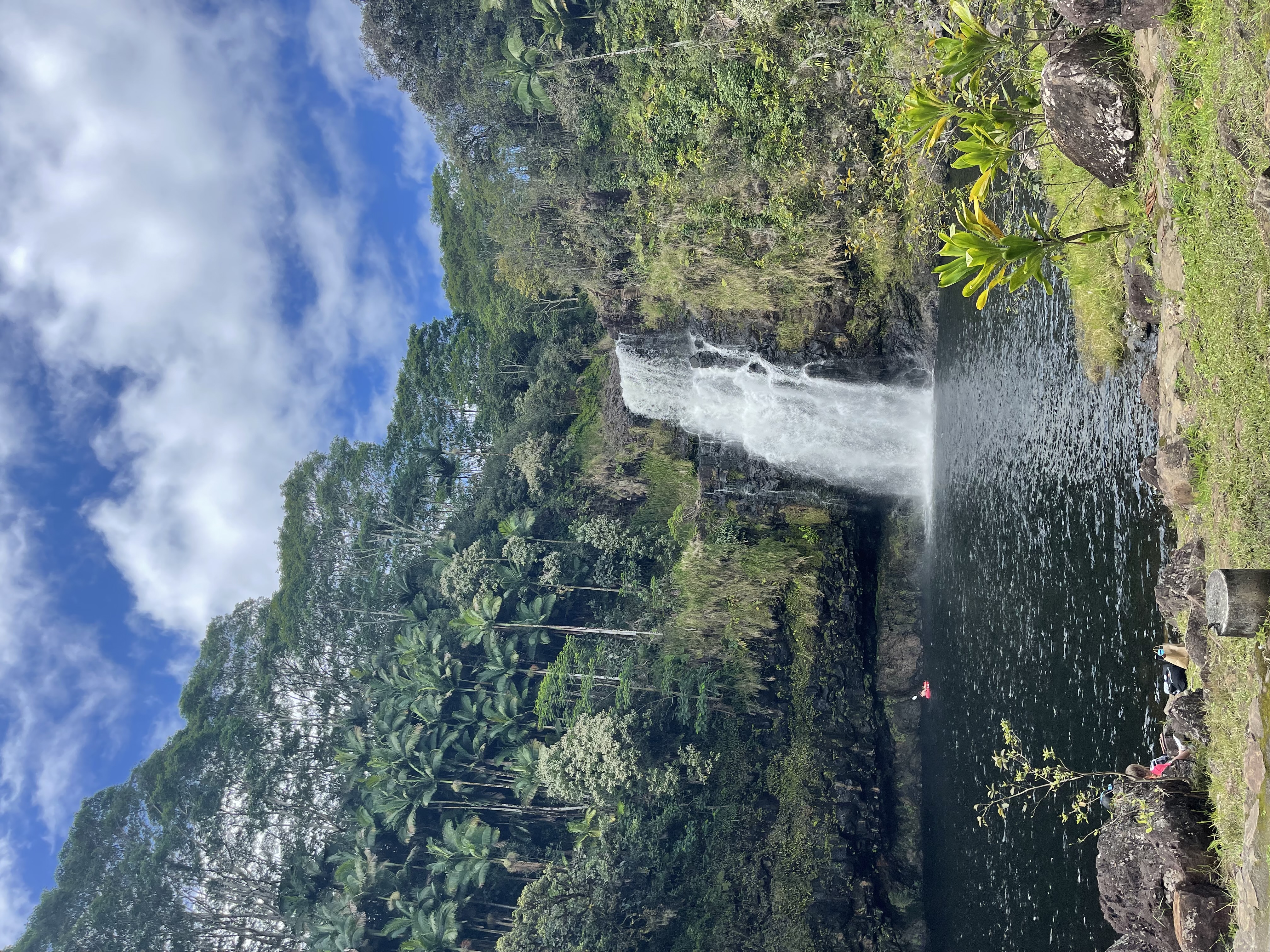
The windward (east) side of the island catches the trade winds, resulting in lush rainforests, deep valleys, and countless waterfalls.
9. Gaze into Waipiʻo Valley
The "Valley of the Kings" is a place of immense cultural importance and breathtaking beauty. The lookout at the top offers a sweeping view of the mile-wide valley floor and the dramatic cliffs. Due to a steep, hazardous road, access into the valley is restricted to residents and a few tour operators with 4WD vehicles. The view from the top is still well worth the trip.
10. Walk to ʻAkaka Falls
Located in a state park just north of Hilo, ʻAkaka Falls is arguably the island's most famous waterfall. A pleasant 0.4-mile loop trail takes you through a lush rainforest filled with tropical flowers and birdsong before revealing the spectacular 442-foot waterfall plunging into a gorge below.
11. See Rainbow Falls in Hilo
Conveniently located within Hilo town, Rainbow Falls (Waiānuenue) is best viewed in the morning when the sun hits the mist, creating rainbows. It's a quick and easy stop. For another view, take the stairs to the top to see the banyan trees and the top of the falls.
12. Drive the Hāmākua Coast
The stretch of highway between Hilo and Waipiʻo Valley is one of Hawaiʻi's great scenic drives. You'll pass old sugar plantation towns, botanical gardens, waterfall-filled gulches, and stunning coastal vistas. Take your time and explore the detours, like the 4-mile scenic route through Onomea Bay.
Culture, History & Local Life
Beyond the natural wonders, the Big Island has a rich history and a vibrant local culture that is accessible and welcoming.
13. Step Back in Time at Puʻuhonua o Hōnaunau
This National Historical Park was a place of refuge for ancient Hawaiians who broke kapu (sacred laws). Today, it's a beautifully restored and powerful historic site. Walk the grounds to see the Great Wall, fierce kii (wooden images), and learn about traditional Hawaiian life. It’s located right next to the Two Step snorkel spot.
14. Wander Historic Kailua Village (Kailua-Kona)
This seaside town is the main hub of the Kona side. Stroll along Aliʻi Drive and visit Huliheʻe Palace, a former vacation home for Hawaiian royalty, and Mokuʻaikaua Church, the oldest Christian church in Hawaiʻi. It's a great place to shop, dine, and watch the sunset.
15. Explore Downtown Hilo
Hilo has a completely different vibe from Kona. It’s a historic town with a charming, slightly funky character shaped by its history as a port and its frequent rain. Visit the Pacific Tsunami Museum, browse the unique shops and galleries, and check out the fantastic Hilo Farmers Market.
16. Visit Puʻukoholā Heiau National Historic Site
Overlooking the Kohala Coast, this massive temple was built by King Kamehameha I and played a crucial role in his unification of the Hawaiian Islands. It's a powerful and important cultural site managed by the NPS.
Local Flavors: Coffee, Farms & Markets
The Big Island's rich volcanic soil gives rise to world-famous coffee, macadamia nuts, and a bounty of tropical fruit.
17. Tour a Kona Coffee Farm
The slopes of Hualālai and Mauna Loa in North and South Kona are the only places in the world where authentic Kona coffee is grown. Dozens of small, family-owned farms offer tours and tastings. Driving through the "Kona Coffee Belt" is an experience in itself.
18. Indulge at the Punaluʻu Bake Shop
No road trip around the southern part of the island is complete without a stop at the southernmost bakery in the USA. They are famous for their sweetbreads, especially the taro-flavored malasadas (Portuguese donuts). It’s the perfect place to refuel.
19. Sample Local Goods at a Farmers Market
The Big Island has incredible farmers markets. The Hilo Farmers Market (Wednesday and Saturday are the big days) is one of the best in the state, with a huge array of exotic fruits, flowers, prepared foods, and local crafts. There are also excellent markets in Waimea and Kona.
This list is just the beginning. The Big Island rewards exploration, so don't be afraid to take a detour down a quiet road or stop at a roadside fruit stand. Planning a well-rounded trip can be complex, but resources like https://highendhawaii.com can offer valuable insights into crafting the perfect itinerary.
Related Reading
- A First-Timer's Guide to Hawaiʻi Volcanoes National Park (/blog/hawaii-volcanoes-national-park-guide)
- The Best Snorkeling Spots on the Big Island (/blog/best-snorkeling-big-island)
- Kona vs. Hilo: Where Should You Stay on the Big Island? (/blog/kona-vs-hilo)