The Ultimate Guide: 15 Best Things to Do on the Big Island of Hawaiʻi
Hawaiʻi Island is a land of incredible diversity, where you can explore fiery volcanoes, snorkel with manta rays, and hike through lush rainforests all in one trip. Here are our top picks for an unforgettable adventure.
Hawaiʻi Island, affectionately known as the Big Island, is a place of staggering scale and diversity. Larger than all the other Hawaiian islands combined, it contains 8 of the world's 13 climate zones, offering everything from snow-capped peaks and fiery volcanoes to sun-drenched beaches and misty rainforests. Deciding what to do here can feel overwhelming, but this guide distills the very best experiences into one essential list for your visit.
Whether you're an adventurer, a relaxation seeker, a culture enthusiast, or a foodie, the Big Island has something profound to offer. Let's dive into the must-do activities that make this island so unique.
1. Witness Creation at Hawaiʻi Volcanoes National Park
No trip to the Big Island is complete without visiting Hawaiʻi Volcanoes National Park. Home to two of the world's most active volcanoes, Kīlauea and Mauna Loa, this UNESCO World Heritage site is a raw, dynamic display of nature's power. Start your journey at the Kīlauea Visitor Center for the latest eruption information and safety guidelines from the National Park Service (NPS).
Key experiences within the park include:
- Kīlauea Overlook: Peer into the vast Halemaʻumaʻu crater. At night, if an eruption is active, you can witness a spectacular, fiery glow.
- Crater Rim Drive: This road circles the summit caldera, offering numerous viewpoints and trailheads.
- Thurston Lava Tube (Nāhuku): Walk through a 500-year-old cave-like lava tube once filled with molten rock. The trail leads through a lush, tropical fern forest.
- Kīlauea Iki Trail: A moderate 4-mile loop that takes you across the floor of a solidified lava lake from a 1959 eruption.
Always check the USGS Hawaiian Volcano Observatory website for real-time updates on volcanic activity before your visit. The landscape can change overnight.
2. Stargaze Atop Mauna Kea
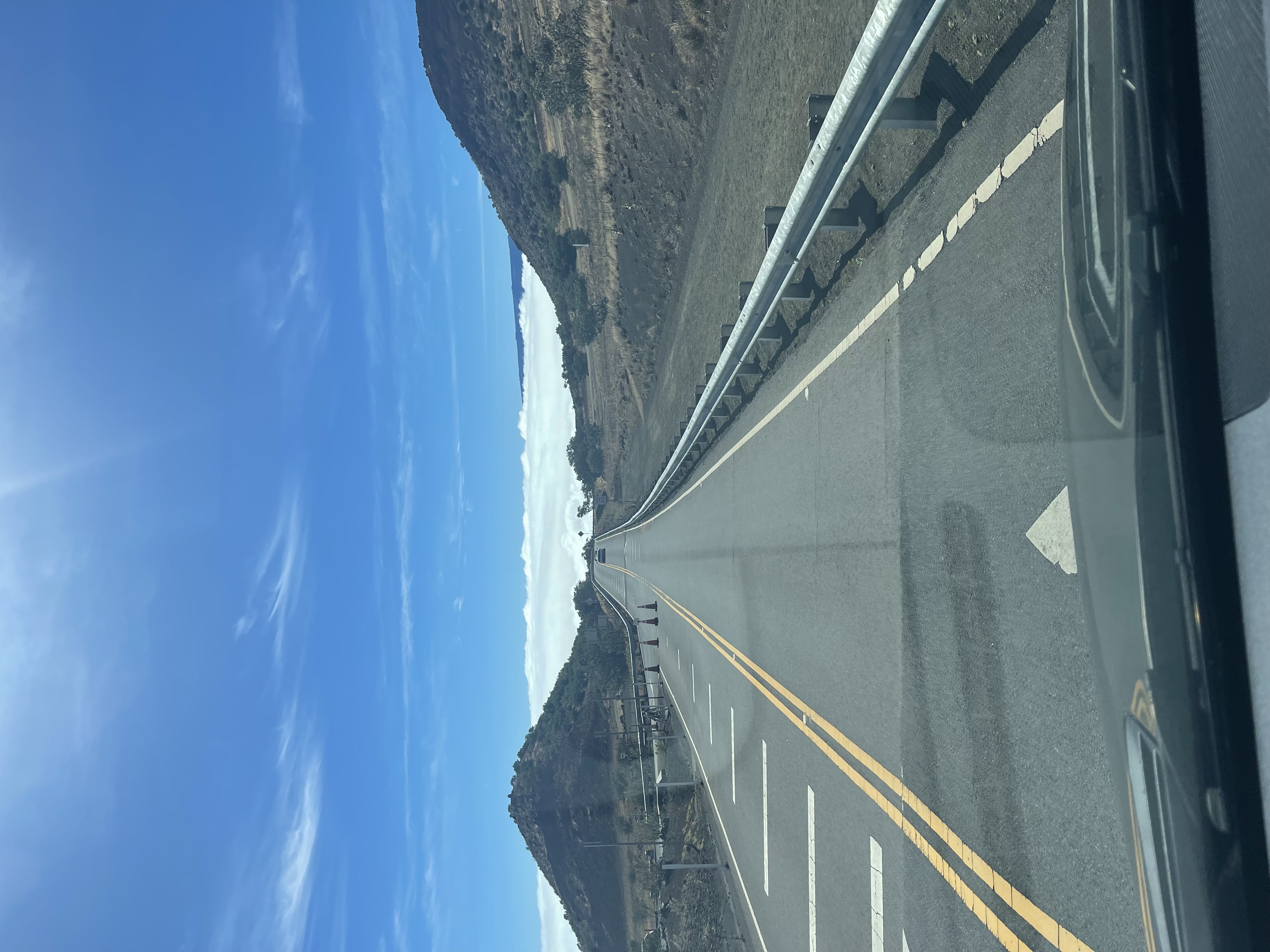
The summit of Mauna Kea, a dormant volcano and the highest point in Hawaiʻi, is one of the premier stargazing locations on Earth. At nearly 14,000 feet, its dry, stable atmosphere and lack of light pollution provide an unparalleled view of the cosmos. While the summit and its world-class observatories are restricted to permitted tour vehicles, the Maunakea Visitor Information Station (VIS) at 9,200 feet offers an incredible experience for all visitors.
The VIS hosts free, public stargazing programs nightly. Knowledgeable volunteers set up powerful telescopes and point out constellations, planets, and distant galaxies. Dress warmly—temperatures plummet after sunset, often dropping below freezing, even in summer.
Note: A 4WD vehicle is required to drive to the summit, and it's recommended to acclimate at the VIS for at least 30 minutes to an hour to avoid altitude sickness. Pregnant women, children under 13, and those with respiratory issues should not proceed past the VIS.
3. Swim with Gentle Giants: Manta Ray Night Snorkel
Just off the Kona coast lies one of the most magical wildlife encounters you can have: snorkeling or diving with giant manta rays at night. Tour operators shine powerful lights into the water, which attract plankton—the mantas' primary food source. These gentle giants, with wingspans up to 16 feet, gracefully glide, swoop, and barrel roll through the light beams to feed, often coming just inches from you.
This is a highly regulated and sustainable activity. You simply float on the surface holding onto a lighted board while the mantas put on the show below. It's a surreal, humbling, and unforgettable experience.
4. Discover Beaches of Every Color
The Big Island's volcanic origins have created a stunning variety of beaches. You can find pristine white sand, jet-black sand, and even green sand here.
-
White Sand: Hāpuna Beach State Recreation Area Consistently ranked among the world's best beaches, Hāpuna offers a half-mile stretch of perfect, soft white sand and crystal-clear turquoise water. It's ideal for swimming, sunbathing, and bodyboarding when conditions are calm. Facilities are excellent, but parking can fill up quickly.
-
Black Sand: Punaluʻu Black Sand Beach Located on the southern coast, Punaluʻu is the island's most famous black sand beach, formed by lava flowing into the ocean and exploding into fine particles. The jet-black sand against the blue ocean and green coconut palms is a photographer's dream. It's also a favorite resting spot for honu (Hawaiian Green Sea Turtles). Remember to give them plenty of space and never touch them.
-
Green Sand: Papakōlea Beach Reaching this unique beach requires effort, but it's worth it. The green sand is composed of olivine crystals, a mineral eroded from a 49,000-year-old cinder cone. To get there, you'll need to drive to the southernmost point of the US (Ka Lae) and then undertake a hot, 5.5-mile round-trip hike. Alternatively, unofficial 'shuttles' operated by locals can drive you in 4x4 vehicles for a fee.
5. Snorkel in Kealakekua Bay
Kealakekua Bay State Historical Park is a protected marine life conservation district, boasting some of the best snorkeling in all of Hawaiʻi. The calm, clear waters are teeming with colorful tropical fish and vibrant coral. The bay is also historically significant as the site where Captain James Cook first landed on the island and was later killed in 1779. A white obelisk, the Captain Cook Monument, marks the approximate location.
Accessing the prime snorkeling area near the monument can be tricky. You can take a boat tour, rent a kayak and paddle across the bay (a permit is required), or embark on a strenuous hike down the Kaʻawaloa Trail.
6. Savor Kona Coffee
The volcanic slopes of Hualālai and Mauna Loa in the Kona district provide the perfect conditions for growing world-famous Kona coffee. The 'Kona Coffee Belt' is a narrow strip of land dotted with hundreds of small, family-owned coffee farms. Many of these farms offer tours and tastings, allowing you to see the entire process from bean to cup.
Driving through Holualoa or along the Mamalahoa Highway, you can stop at farms like Greenwell Farms, Hula Daddy, or Mountain Thunder for a behind-the-scenes look and a chance to sample a variety of roasts. It's a delicious way to experience the island's agricultural heritage. For a more complete experience, consider booking a private tour with a purveyor like High End Hawaii to get an exclusive look at boutique coffee estates.
7. Explore Historic Kailua-Kona
Once a sleepy fishing village, Kailua-Kona is now the bustling heart of the west side of the island. Aliʻi Drive, the main street, runs along the oceanfront and is lined with shops, restaurants, and important historic sites.
- Huliheʻe Palace: A former vacation home for Hawaiian royalty, now a museum showcasing beautiful furniture and artifacts from the Kingdom of Hawaiʻi era.
- Mokuʻaikaua Church: Across the street from the palace, this is the oldest Christian church in the Hawaiian Islands, built in 1837 from lava rock and coral mortar.
- Kamakahonu National Historic Landmark: The personal residence of King Kamehameha I during his final years. It's where he established the first capital of the unified Hawaiian Kingdom.
8. Drive the Scenic Hāmākua Coast
The northeastern side of the island is dramatically different from the dry Kona side. The Hāmākua Coast is a wonderland of lush rainforests, deep valleys, and dramatic waterfalls. A drive from Hilo north towards Waimea is one of the most scenic routes in Hawaiʻi.
Along the way, be sure to stop at:
- ʻAkaka Falls State Park: A short, paved loop trail takes you through a jungle of tropical plants to view the 442-foot ʻAkaka Falls and the smaller Kahūnā Falls.
- Hawaiʻi Tropical Bioreserve & Garden: A non-profit nature preserve with over 2,000 species of plants, meandering paths, waterfalls, and ocean views. A true garden of Eden.
- Waipiʻo Valley Lookout: Peer down into the sacred 'Valley of the Kings,' a place rich in history and breathtaking beauty. Access into the valley itself is now restricted to residents and commercial tours, but the view from the top is absolutely spectacular.
Related Reading:
- Find your perfect spot: /blog/best-beaches-big-island
- Plan your volcano visit: /blog/hawaii-volcanoes-national-park-guide
- Stargazing tips: /blog/mauna-kea-stargazing-guide