The Best Lūʻau on the Big Island: A Local Editor's Guide
Finding the right lūʻau on Hawaiʻi Island can feel overwhelming. We break down the top contenders, comparing everything from the food and dancing to the setting and cultural authenticity.
Attending a lūʻau is a quintessential part of many Hawaiʻi vacations, a festive evening of food, music, and dance set against a tropical sunset. But not all lūʻau are created equal. On Hawaiʻi Island, the options range from massive, high-energy productions to more intimate, culturally-focused gatherings. Choosing the right one depends on what you value most: the feast, the fire dancing, or the feeling of connecting with Hawaiian history.
What Makes a Great Big Island Lūʻau?
I've attended my fair share of lūʻau across the islands, both as a resident and a guide. To help you decide, I've judged the Big Island's top contenders based on a few key criteria:
- The Feast (Ka ʻAhaʻaina): How's the kālua pig? Is there a good variety of traditional Hawaiian food like poi, laulau, and poke, alongside more familiar fare? Quality over sheer quantity is key.
- The Performance (Ka Hōʻike): The show is the heart of the evening. We look for skillful hula kahiko (ancient) and ʻauana (modern), thrilling fire-knife dancing, and charismatic storytellers who weave together the legends of Hawaiʻi and Polynesia.
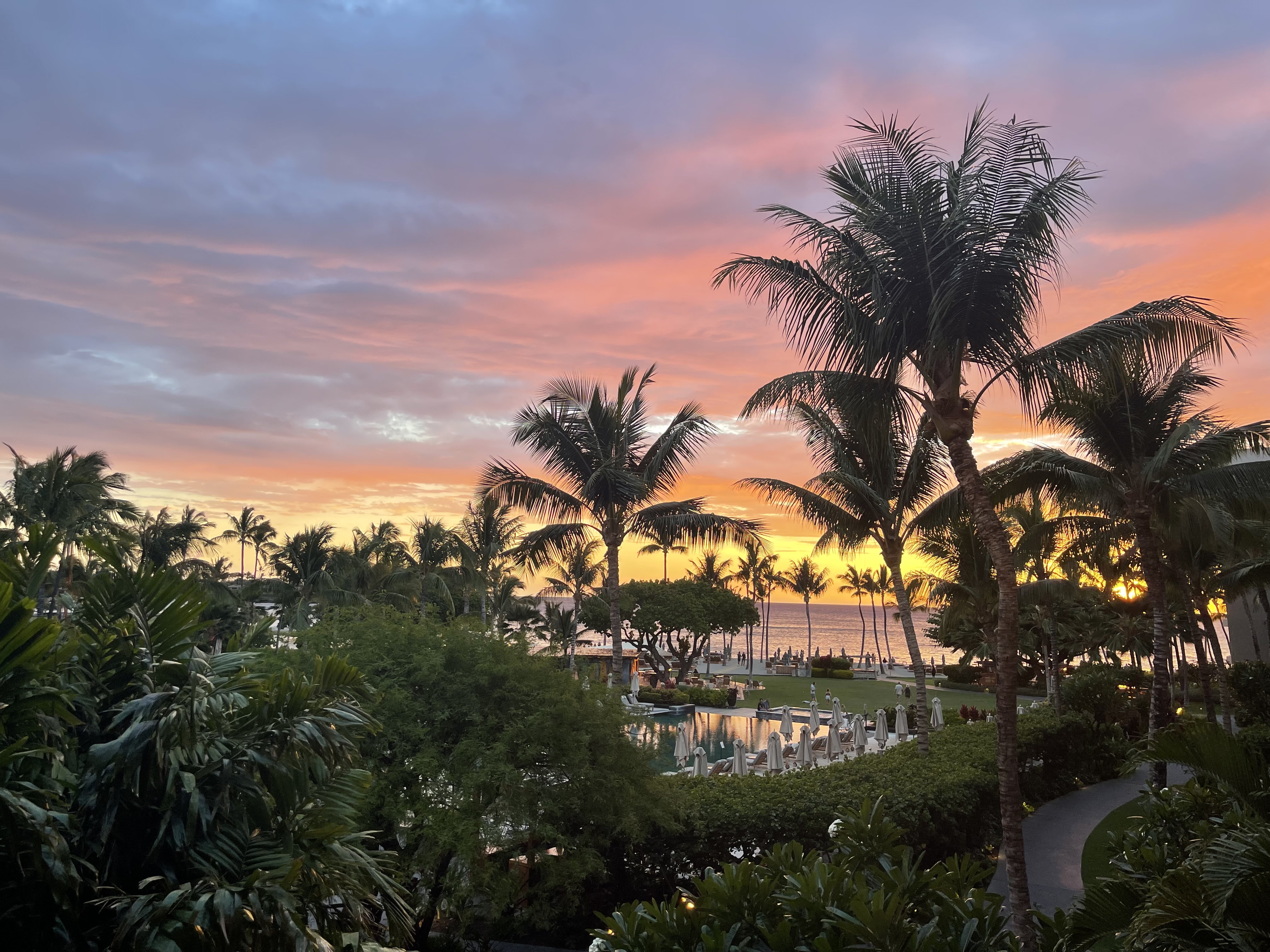
- The Setting (Ka Wahi): An oceanfront setting with a dramatic sunset is the classic dream. The ambiance, layout, and comfort of the venue play a huge role in the overall experience.
- Cultural Authenticity: While modern lūʻau are tourism-focused, the best ones are rooted in genuine respect for the culture they represent. This means accurate storytelling, proper use of language, and a focus on history, not just spectacle.
- Value: Lūʻau are not cheap. We consider whether the price feels justified by the quality of the food, entertainment, and overall experience.
Best Overall: Hawaiʻi Loa Lūʻau (Fairmont Orchid)
Located on the stunning Kohala Coast, the Hawaiʻi Loa Lūʻau at the Fairmont Orchid consistently delivers a top-tier experience. It strikes a beautiful balance between a polished, resort-quality event and a genuine celebration of Hawaiian culture. The setting, on a grassy lawn overlooking Pauoa Bay, is simply breathtaking.
The Experience
The evening starts with cultural demonstrations, like kapa (bark cloth) making and tattoo implements. The name, Hawaiʻi Loa, references the legendary navigator who first discovered these islands, and the show's narrative is built around the story of Polynesian navigation and settlement. The storytelling is exceptional, bringing history to life. The dancers are highly skilled, and the fire-knife finale is always a crowd-pleaser.
The Food
The food is another highlight. While you'll find the standard lūʻau buffet staples, the quality is a notch above most. The kālua pig is succulent, the poke is fresh, and they offer a fantastic array of salads, sides, and desserts. They do a great job of labeling dishes so you know what you're trying.
Why It's Our Top Pick
The Hawaiʻi Loa Lūʻau excels in every category. It’s an elegant, well-produced show that never feels cheesy. It’s perfect for couples and families who want a memorable, high-quality evening that feels both entertaining and educational. It's a prime example of the kind of upscale, culturally-aware experience you can find at many of the island's best resorts, like those featured by our partners at https://highendhawaii.com.
Best for Cultural Storytelling: Mauna Kea Beach Hotel Lūʻau
For a taste of old Hawaiʻi, the lūʻau at the Mauna Kea Beach Hotel is a living classic. It's been running for decades and has retained a charm and focus on tradition that can be hard to find in newer, flashier productions. This is the lūʻau for the visitor who is more interested in history and hula than fire dancers (though they have that too!).
The Experience
The setting under a grove of palm trees on the shores of Kaunaʻoa Bay is intimate and magical. The show feels less like a stage production and more like a backyard celebration—if your backyard happened to be one of the world's most beautiful beaches. The emcee and performers have a palpable warmth and aloha. The focus here is squarely on Hawaiian history and mele (song), telling stories that are specific to the island of Hawaiʻi.
The Food
The menu is more traditional than some other lūʻau, which we see as a plus. You'll find all the essentials: kālua pig cooked in a traditional imu (underground oven), lomi-lomi salmon, poi, and haupia (coconut pudding). The imu ceremony, where they unearth the pig, is a highlight and feels genuinely celebratory.
Why We Love It
The Mauna Kea Lūʻau feels soulful. It’s smaller, more personal, and deeply connected to its place. If you're looking to avoid a massive crowd and want an evening that feels more like a cultural immersion than a show, this is an excellent choice.
Best for Families: Sunset Lūʻau (Waikoloa Beach Marriott)
If you're traveling with keiki (children) of various ages, the Sunset Lūʻau at the Waikoloa Beach Marriott Resort & Spa is a fantastic, family-friendly option. It has a lively, high-energy atmosphere that keeps everyone entertained, from toddlers to teenagers.
The Experience
The lūʻau is held on a large lawn with beautiful views of ʻAnaehoʻomalu Bay. The show is dynamic and fast-paced, covering a broad range of Polynesian cultures, including dances from Tahiti, Samoa, and New Zealand in addition to Hawaiʻi. The performers are great at engaging the audience, often inviting children on stage for a hula lesson, which is always a highlight for families. The Samoan fire-knife dance is particularly spectacular and a guaranteed hit with all ages.
The Food
The buffet is extensive and designed to please a wide range of palates. Alongside the traditional lūʻau fare, you'll find plenty of kid-friendly options like macaroni salad, chicken, and a dessert bar that's always swarmed. It’s a crowd-pleasing spread that ensures no one leaves hungry.
Why It's Great for Families
The combination of an engaging show, a welcoming atmosphere for children, and a diverse buffet makes this lūʻau a stress-free choice for parents. The focus is on fun and celebration, making it an easy and enjoyable evening out for the whole family.
What to Expect at a Big Island Lūʻau
While each lūʻau has its own unique style, most follow a similar format. Understanding the flow of the evening can help you get the most out of it.
The Arrival and Pre-Show
Most lūʻau begin about an hour or two before sunset. Upon arrival, you'll typically be greeted with a lei (flower or shell) and a welcome drink. This is a time to find your seat, explore the grounds, and participate in cultural activities. These might include:
- Hula lessons: A fun, informal crash course in basic hula steps.
- Crafts: Weaving a lauhala (pandanus leaf) bracelet or learning about kapa making.
- Games: Trying your hand at traditional Hawaiian games like ʻulu maika (stone rolling) or kōnane (a strategy game).
The Imu Ceremony
One of the most important cultural elements of a lūʻau is the imu ceremony. An imu is a traditional Hawaiian underground oven. Early in the day, a whole pig is seasoned, wrapped in ti and banana leaves, and buried with hot rocks to slow-roast for hours. The ceremony involves unearthing the pig, which is now incredibly tender and smoky. This is a great photo opportunity and a genuine link to ancient culinary traditions.
The Feast (ʻAhaʻaina)
Once the pig is unearthed, the buffet opens. Seating is usually at long communal tables, fostering a sense of shared celebration. Take your time and be adventurous! Try a little bit of everything. Besides the kālua pig, look for these traditional dishes:
- Poi: A staple starch made from pounded taro root. It has a unique, slightly sour taste and is an acquired taste for many, but a must-try.
- Poke: Cubed raw fish seasoned with sea salt, soy sauce, sesame oil, and other ingredients.
- Lomi-Lomi Salmon: A fresh side dish of diced raw salmon, tomatoes, and onions.
- Laulau: Pork or fish wrapped in lūʻau (taro) leaves and steamed.
- Haupia: A firm, refreshing coconut milk pudding.
The Show (Hōʻike)
As dinner winds down and darkness falls, the main show begins. A charismatic emcee will guide you through an evening of music and dance, telling stories of the islands. The performance typically progresses from ancient, ceremonial hula kahiko, accompanied by chanting and percussion, to the more modern, melodic hula ʻauana. The show often culminates in a spectacular fire-knife dance, a tradition with Samoan roots that has become a thrilling finale for lūʻau across Polynesia.
A Note on "Authenticity"
It's important to approach a lūʻau with the right perspective. The grand, resort-style lūʻau of today is a modern creation designed for visitors. A truly traditional Hawaiian lūʻau was, and is, a family and community affair celebrating a significant life event—a baby's first birthday, a wedding, or a graduation. It's more of a backyard party with ʻohana (family), with food and "talk story" as the main events.
That said, the best visitor lūʻau are not "inauthentic." They are a performance and a celebration of the culture, presented with integrity and aloha. They provide a wonderful opportunity to experience a taste of Hawaiian food, music, and storytelling in one beautiful evening. They are a bridge, sharing a vibrant culture with those who come to learn and appreciate it.
Related Reading
- For more ideas on how to spend your time, check out our 7-Day Big Island Itinerary.
- Planning your meals? Don't miss our guide to Must-Try Hawaiian Foods.
- Staying on the west side? Explore the Best Things to Do in Kailua-Kona.