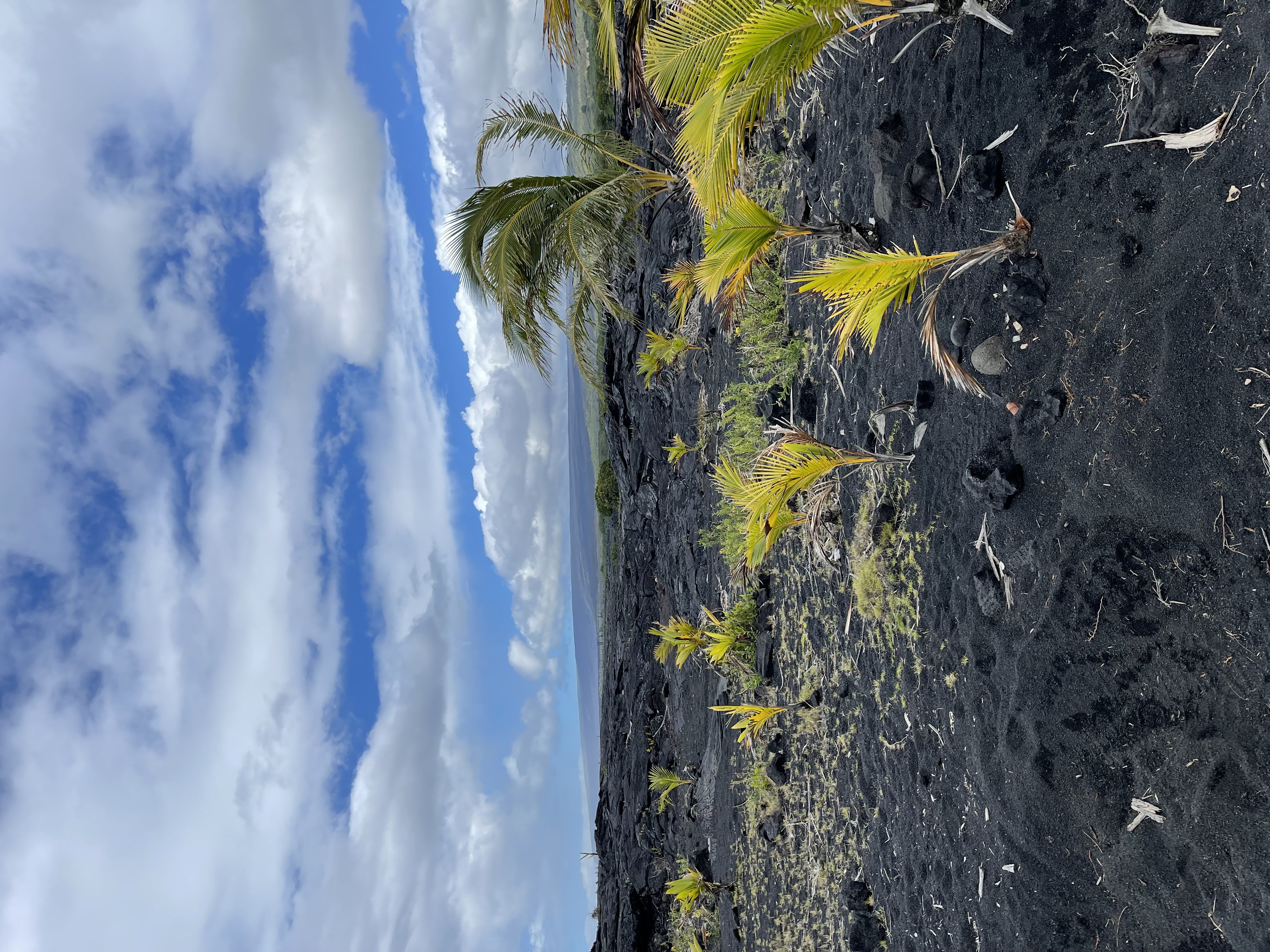
The Best Beaches in Kona: Your Guide to Big Island Sand and Sun
Kona's coastline is a spectacular mix of pristine white sands, dramatic lava rock, and brilliant turquoise waters. Here are our favorite beaches for every type of traveler.
The Kona coast, stretching along the dry, leeward side of the Big Island, is blessed with some of Hawaiʻi's most stunning and diverse beaches. Unlike the other islands, the coastline here is a dramatic tapestry woven from ancient lava flows, creating a striking contrast between black rock, white coral sand, and impossibly blue water. Finding your perfect patch of sand, whether for sunbathing, world-class snorkeling, or simply watching the sunset, is a key part of any Kona vacation.
From sprawling, resort-fronted shores to hidden coves beloved by locals, Kona delivers. But finding the right beach depends on what you’re looking for. Some are ideal for families with small children, while others have powerful shore breaks better suited for experienced swimmers and bodysurfers. This guide will walk you through our top picks, with practical tips to help you make the most of your time on the sun-drenched coast of Hawaiʻi Island.
Mākua Beach (Kua Bay): The Picture-Perfect White Sand Beach
Often simply called Kua Bay, Mākua Beach is what many people picture when they dream of a Hawaiian beach. It features a crescent of fine, brilliant white sand, crystal-clear turquoise water, and a backdrop of dark lava rock. Located within Kekaha Kai State Park, it’s easily accessible yet feels pristine.
- Best for: Sunbathing, swimming, boogie boarding.
- Snorkeling: Decent snorkeling can be found around the rocky areas on either side of the bay, especially when the water is calm. You'll see a variety of reef fish.
- Conditions: The water is generally calmest in the morning. When the swell picks up, usually in the winter, a powerful shore break can form, which is great for experienced body surfers but can be dangerous for novices. Always check conditions before entering the water.
- Amenities: The park was upgraded in recent years and now has excellent facilities, including restrooms, showers, and a paved parking lot. There are no lifeguards on duty.
- Getting There: The turnoff is between mile markers 88 and 89 on Highway 19. The paved road makes access easy for any rental car. The lot fills up quickly, especially on weekends, so arriving early (before 10 a.m.) is highly recommended.
Hāpuna Beach State Recreation Area: The Big Island's Grand Dame
Just north of the main Kona district lies Hāpuna Beach, consistently ranked among the world's best beaches. It's the largest white sand beach on the Big Island, a half-mile-long expanse perfect for long walks, sunbathing, and swimming.
- Best for: Families, swimming, sunbathing, long walks.
- Conditions: During the summer months, Hāpuna offers near-perfect swimming conditions with calm, clear water. In the winter, however, a very strong shore break and rip currents can develop, making it hazardous. Always listen to the lifeguards and check the official State of Hawaiʻi notices.
- Snorkeling: The northern end of the beach has a rocky point with good snorkeling when conditions are calm. You can expect to see parrotfish, tangs, and the occasional turtle.
- Amenities: As a State Recreation Area, Hāpuna is well-equipped with multiple lifeguard towers, large pavilions, picnic tables, restrooms, and showers. There's a large parking lot, but it requires a non-resident entrance and parking fee.
- Pro Tip: For a more luxurious experience, the adjacent Westin Hapuna Beach Resort offers beachfront access and amenities for its guests, representing the pinnacle of resort living in this area.
Kahaluʻu Beach Park: The Best Snorkeling for Beginners
If seeing vibrant marine life is your top priority, Kahaluʻu Beach Park is your destination. This isn't your typical sandy beach; it's a mix of coarse salt-and-pepper sand and smooth black lava rock. What makes it special is the large, protected cove teeming with fish and honu (green sea turtles).
- Best for: Snorkeling, families with children, seeing turtles.
- The Cove: An ancient breakwater (the Pā o ka menehune) partially encloses the bay, protecting it from the open ocean and creating a calm, aquarium-like environment. The water is shallow, making it perfect for first-time snorkelers and kids.
- Marine Life: You are almost guaranteed to see dozens of species of fish, often in large schools. Turtles are very common here, feeding on the seaweed. Remember to keep a respectful distance as mandated by federal and state law—at least 10 feet from turtles.
- Amenities: The park has restrooms, showers, a covered pavilion, and lifeguard services. The Kahaluʻu Bay Education Center is on-site, offering reef-safe sunscreen and educational tips. Parking can be tight, so be patient.
- Footwear: Water shoes are highly recommended here, as entry into the water is over slick lava rock.
Maniniʻōwali Beach (at Kīholo Bay): A Local Gem with Turtles
Not to be confused with the larger Kīholo Bay preservation area, Maniniʻōwali Beach is another stunning spot within Kekaha Kai State Park (along with Kua Bay). It's a smaller, more intimate white-sand cove that requires a short drive down a rough, unpaved road.
- Best for: A quieter beach experience, seeing dolphins and turtles.
- Conditions: The water here is incredibly clear and often very calm, making it a wonderful spot for relaxing and swimming. The sand is soft and the vibe is tranquil.
- Marine Life: Spinner dolphins often rest in the bay in the mornings, and it's a frequent hangout for green sea turtles. Snorkeling is good around the rocks when seas are calm.
- Getting There: The access road is unpaved and bumpy, located between mile markers 82 and 83 on Highway 19. While many people attempt it in a standard sedan, a vehicle with higher clearance (like an SUV) is recommended. The reward for the bumpy ride is a less crowded beach.
- Amenities: Very basic. There are portable toilets but no running water or lifeguards. Bring everything you need for the day.
Magic Sands Beach Park (Laʻaloa Bay): Fun and Disappearing Sands
True to its name, Magic Sands (also known as White Sands Beach or its proper name, Laʻaloa Bay Beach Park) is famous for its disappearing act. During heavy winter surf, the ocean can wash away the entire sandy beach overnight, leaving only a rocky shoreline. Days or weeks later, the sand magically returns.
- Best for: Bodysurfing, boogie boarding, convenient location.
- Location: Its prime location right on Āliʻi Drive, just south of Kailua-Kona town, makes it one of the most popular and accessible beaches. It has a lively, fun atmosphere.
- Conditions: This beach is known for its consistent shore break, making it a hub for boogie boarders and bodysurfers. The waves can be surprisingly powerful, so use caution. On calm days, it can be a decent spot for a quick swim.
- Amenities: Lifeguards are on duty. There are also restrooms, showers, and a volleyball court. Parking is extremely limited along the road, so you may need to walk a bit.
Other Notable Kona Beaches
- Kamakahonu Beach: Located right in front of the Courtyard by Marriott King Kamehameha's Kona Beach Hotel in Kailua-Kona, this small, protected cove is the calmest beach in town. It's perfect for young children and stand-up paddleboarding.
- Hoʻokena Beach Park: A historic site south of Kona, this gray sand beach is a local favorite for camping and outrigger canoe clubs. It offers a more authentic, less touristy experience.
Beach Safety and Etiquette on the Big Island
Enjoying Kona's beaches comes with a responsibility to be safe and respectful. The County of Hawaiʻi and the State of Hawaiʻi Department of Land and Natural Resources emphasize the following:
- Heed all warning signs: High surf, strong currents, and sharp rocks are real dangers. If a beach is closed or has warnings posted, do not enter the water.
- Never turn your back on the ocean: Rogue waves are common, even on seemingly calm days.
- Use reef-safe sunscreen: Chemicals in standard sunscreens (like oxybenzone and octinoxate) damage the coral reefs. Look for mineral-based sunscreens containing zinc oxide or titanium dioxide.
- Respect the wildlife: Keep a safe and respectful distance from all marine life, especially sea turtles (honu) and monk seals. It is illegal to touch or harass them.
- Leave no trace: Pack out everything you pack in. Dispose of trash properly to keep the beaches beautiful for everyone.
Related Reading:
- Ready to explore underwater? Check out our guide to the Best Snorkeling Spots on the Big Island.
- For more to do in town, see our Complete Guide to Kailua-Kona.