The Best Beaches in Hilo: Black Sand & Local Swim Spots
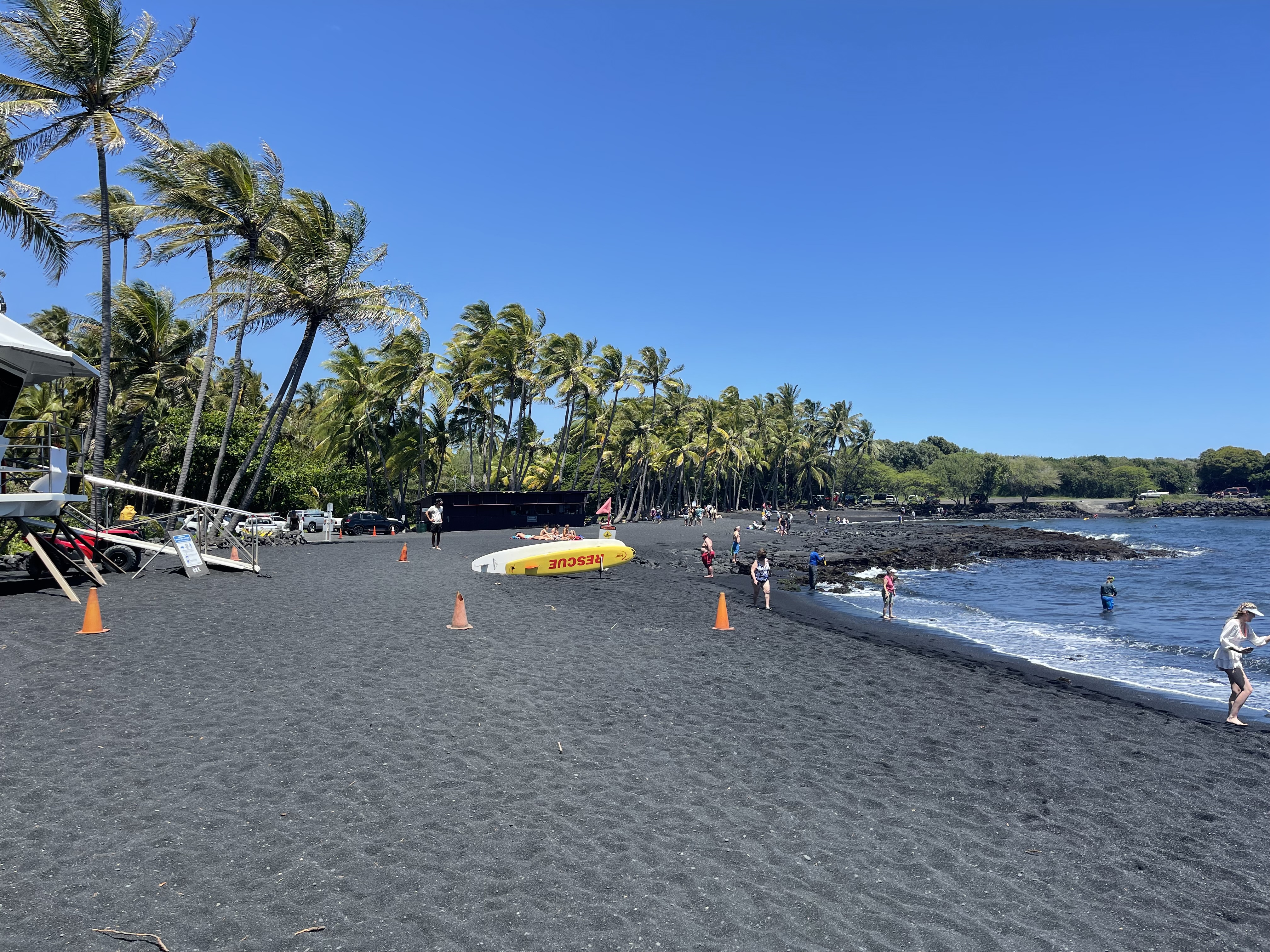
While Hilo isn't famous for white sands like Kona, its volcanic coastline is dotted with beautiful black sand beaches, calm swimming lagoons, and local gems perfect for a day by the water.
Hilo’s coastline tells a story of creation and change, shaped by the ever-present force of Kīlauea volcano. You won’t find long, postcard-perfect stretches of white sand here like you do on the Kona side. Instead, you'll discover a ruggedly beautiful collection of black sand coves, spring-fed lagoons, and tide pools teeming with life, offering a completely different but equally rewarding beach experience.
This guide focuses on the best spots to swim, snorkel, and relax in Hilo and its immediate vicinity. Remember that Hilo gets significant rainfall, which keeps the island lush but can sometimes affect water clarity. Always check ocean conditions before you go, and be prepared for a uniquely East Hawaiʻi day at the beach.
Understanding Hilo's Coastline: Volcanic Shores & Fresh Water
The beaches in East Hawaiʻi are a direct result of volcanic activity. Dark, basaltic rock and black sand are the standard. Lava flows from Mauna Loa and Kīlauea have created a jagged coastline defined by sea cliffs and rocky shores. The beaches that do exist are often nestled in protected bays or coves.
A unique feature of Hilo's beaches is the abundance of freshwater springs. Underground rivers, fed by the immense rainfall on the slopes of the volcanoes, emerge at the coastline. This creates a fascinating mix of cool, fresh water and warmer saltwater, a phenomenon locals call ʻānuenue, or rainbow, for the shimmering effect it can create. This mix also means the water can be bracingly cool in spots, even on a hot day!
Richardson Ocean Park: The Jewel of Hilo
If you only have time for one beach in Hilo, make it Richardson's. This is the quintessential Hilo beach experience, offering a little bit of everything. It boasts the area's most accessible black sand beach—actually a mix of black lava sand and green olivine crystals—and a sheltered bay that's perfect for swimming and snorkeling.
What to Expect at Richardson's:
- Snorkeling: The rocky outcrops protect the bay from open ocean surf, creating relatively calm conditions. The mix of fresh and saltwater supports a diverse array of marine life. You'll see plenty of colorful reef fish and, very often, honu (Hawaiian Green Sea Turtles) resting in the shallows or feeding on algae. Remember to give them plenty of space—at least 10 feet is the recommended distance.
- Swimming: A natural lava rock wall forms a protected pond, making it a safe place for a dip. The main bay is also great for swimming when conditions are calm.
- Facilities: The park is well-equipped with restrooms, showers, picnic tables, and a lifeguard on duty. The adjacent Waiʻōpae ʻo Hilo Marine Life Conservation District further protects the area's natural resources.
Parking can be tight, especially on weekends, so arriving earlier in the day is always a good strategy.
Carlsmith Beach Park (Four Mile): The Ultimate Swimming Lagoon
Locals often refer to Carlsmith Beach Park simply as "Four Mile," a reference to its distance from the Hilo Federal Building. This isn't a beach in the traditional sense—there's virtually no sand. Instead, you'll find a series of large, interconnected lagoons fed by freshwater springs. The water is exceptionally clear, calm, and a brilliant shade of turquoise.
The park itself is a grassy lawn shaded by large trees, perfect for spreading out a towel and relaxing. Steps provide easy access into the water. This is arguably the best swimming spot in Hilo, beloved by families for its gentle nature. Honu are frequent visitors here as well, drawn to the calm waters and abundant seaweed. It feels less like a beach and more like a massive, natural swimming pool.
Why We Love Carlsmith:
- Unbeatable Swimming: The calm, clear water is perfect for leisurely swims and floating.
- Honu Sightings: It is one of the most reliable places to see sea turtles from shore.
- Relaxed Vibe: It's a popular local hangout with a very low-key, family-friendly atmosphere.
Onekahakaha Beach Park: A Family-Friendly Haven
For families with young children, Onekahakaha Beach Park is an ideal choice. Its main feature is a shallow, sandy-bottomed swimming area completely enclosed by a lava rock breakwater. This creates a calm, protected pool where toddlers and small kids can splash around safely, shielded from any ocean waves.
During low tide, fascinating tide pools form in the surrounding rocks, offering a chance for kids and adults alike to discover small fish, crabs, and other tiny marine creatures. The park also has ample grassy space, pavilions for picnics, restrooms, and a lifeguard. While it's not the most scenic beach for adults seeking a dramatic view, its safety and family-oriented design are unmatched in Hilo.
Honoliʻi Beach Park: For Surfers and Spectators
Hilo's premier surf spot, Honoliʻi, is located a few miles north of downtown where the Honoliʻi Stream meets the ocean. This is not a swimming beach. The shore is rocky, access can be tricky, and the currents and surf are often powerful. It is, however, the best place to watch local surfers showcase their talent.
The park is situated in a beautiful valley. You can park along the bluff and watch the action from above, or carefully make your way down the path to the rocky shore. The break here is consistent, catching swells from the north and east, making it a year-round surf destination. If you're a visitor who isn't an expert surfer familiar with local conditions, it's best to stay on shore and enjoy the show.
Beach Safety in East Hawaiʻi
The dynamic nature of Hilo's coastline demands respect and awareness. Ocean conditions can change rapidly.
- Check Conditions: Always check the latest ocean safety reports before heading out. The State of Hawaiʻi's official ocean safety website, hawaiibeachsafety.com, provides real-time information on surf and weather conditions for guarded beaches.
- Never Turn Your Back on the Ocean: This is the golden rule in Hawaiʻi. Rogue waves can appear unexpectedly, especially on more exposed shorelines.
- Wear Proper Footwear: Many of Hilo's beaches involve walking over uneven, sharp lava rock. Water shoes or reef walkers are highly recommended.
- Respect Wildlife: Keep a safe and respectful distance from all marine life, especially honu and monk seals. It's illegal to touch, harass, or chase them.
- Beware of Runoff: After heavy rains, runoff from streams can lead to murky water and attract predators. It's wise to wait a day or two after a major downpour before swimming in areas near stream mouths.
Whether you're looking for an epic island-wide adventure or just a place to relax near Hilo, the volcanic shores of East Hawaiʻi offer a unique and memorable experience. For those planning a longer trip, consider how these beaches fit into a broader exploration of the island's diverse landscapes, which you can learn about in our comprehensive luxury travel guides.
Related Reading
- A Visitor's Guide to Hawaiʻi Volcanoes National Park (/blog/guide-to-hawaii-volcanoes-national-park)
- The Big Island's Best Snorkeling Spots (/blog/best-snorkeling-spots-big-island)
- Stargazing on Mauna Kea: A Complete Guide (/blog/stargazing-on-mauna-kea-complete-guide)