Our Guide to the Best Beaches on the Big Island of Hawaiʻi
From volcanic black sand wonders to pristine white shores, the Big Island boasts an incredible diversity of beaches. Here's our on-the-ground guide to the very best spots to lay your towel.
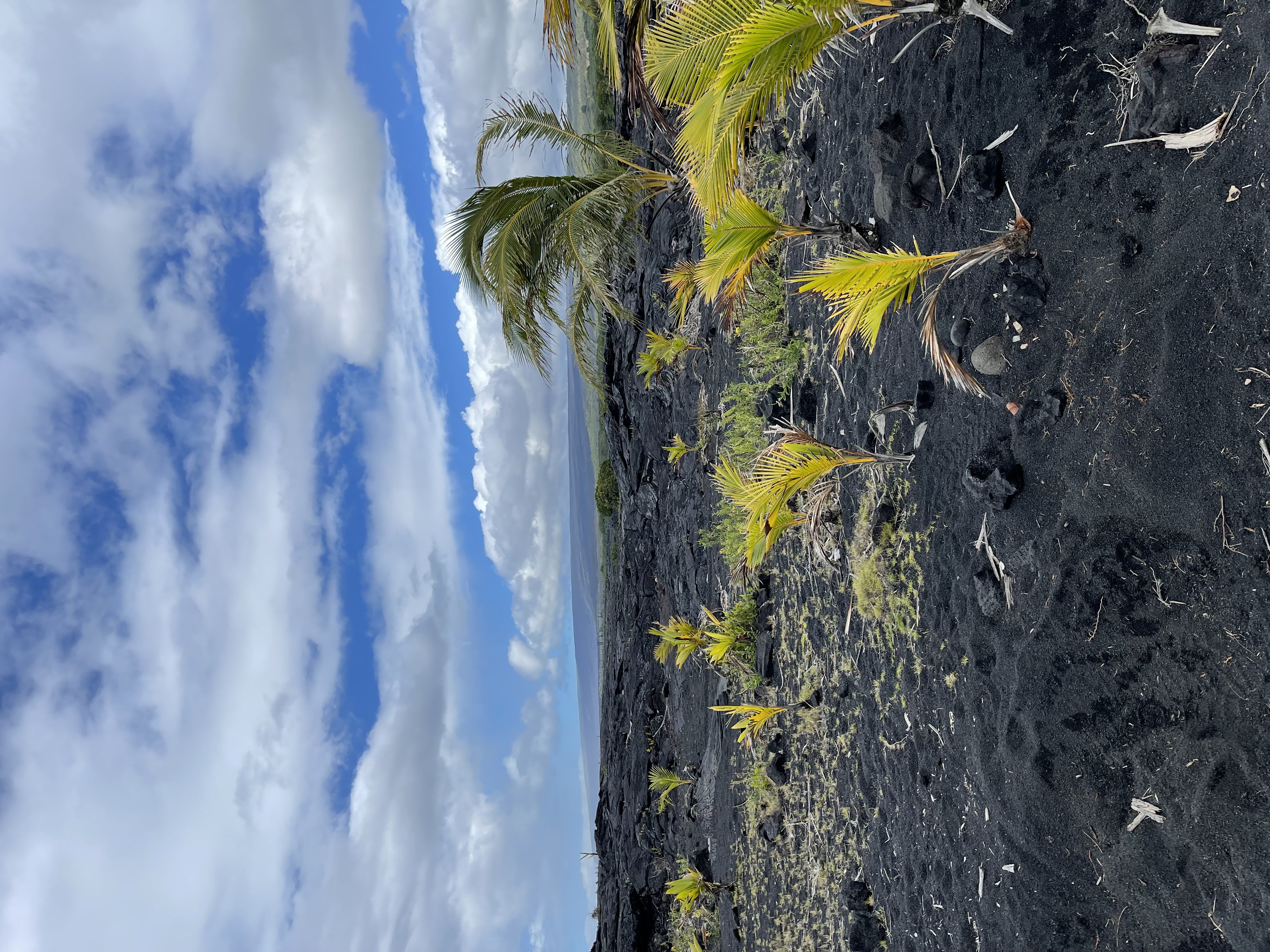
The Big Island's beaches are unlike any others in Hawaiʻi. Thanks to Kīlauea, the world's most active volcano, the island is constantly creating new land and, with it, new beaches. This dynamic geology results in a stunning array of shores, from powdery white sands that rival any in the world to jet-black beaches and even a rare green sand coastline. Whether you're looking for a perfect family swimming spot, a world-class snorkeling cove, or a dramatic volcanic landscape, the Big Island delivers.
Most of the island's classic, resort-style beaches are found on the sun-drenched western coast, north of Kailua-Kona. The east side, battered by trade winds and rain, has a more rugged, rocky coastline, but it hides some beautiful lagoons perfect for a calm swim. Here are our picks for the best beaches on the Big Island, from the famous to the hidden gems.
The Gold Standard: Kohala Coast White Sand Beaches
The leeward coast of North Kohala and South Kohala is Hawaiʻi's sunniest region, and it's home to the island's most spectacular white sand beaches. The water is typically calm and crystal-clear, making it the epicenter for swimming, sunbathing, and snorkeling.
Hāpuna Beach State Recreation Area
Often appearing on "world's best beaches" lists, Hāpuna Beach is the Big Island's largest white sand beach. This half-mile crescent of soft, golden sand is exactly what most people picture when they dream of a Hawaiian beach.
- Best for: Swimming, boogie boarding, sunbathing, and family beach days.
- What to expect: Hāpuna is a well-maintained state park with ample parking (a non-resident fee applies), lifeguards, picnic tables, restrooms, and showers. The wide, sandy beach offers plenty of room to spread out. During the summer months, the ocean is generally calm and perfect for swimming. In the winter, a powerful shorebreak can develop, creating excellent conditions for experienced body-surfers but posing a hazard to casual swimmers. Always check with the lifeguards about current conditions.
Kaunaʻoa Beach (Mauna Kea Beach)
For sheer beauty, Kaunaʻoa Beach is hard to beat. This idyllic, palm-fringed cove is fronted by the historic Mauna Kea Beach Hotel, but like all beaches in Hawaiʻi, it is open to the public. The catch? Public access is limited to about 30 parking spaces, which fill up very early in the morning (plan to arrive before 8:00 AM).
- Best for: Calm swimming, snorkeling (especially at the rocky northern end), and pure relaxation.
- What to expect: If you get a parking pass, you'll have access to restrooms and showers. The beach itself is a perfect arc of white sand sloping gently into calm, turquoise water. It's one of the most reliable swimming spots on the island, protected from all but the largest winter swells.
Maniniʻōwali Beach (Kua Bay)
Part of Kekaha Kai State Park, Kua Bay is a local favorite that has become increasingly popular with visitors. It's easy to see why: a pocket of brilliant white sand is framed by dark lava rock, and the water is a dazzling shade of blue. Parking is limited and fills up quickly, so an early start is essential.
- Best for: Bodyboarding, sunbathing, dolphin spotting.
- What to expect: In the summer, Kua Bay offers fantastic swimming in calm waters. During the winter, powerful waves make swimming dangerous but attract a crowd of skilled bodyboarders. There are basic facilities, including restrooms and showers. The lack of shade trees means it gets very hot, so bring an umbrella and plenty of water.
Waialea Bay (Beach 69)
Known as "Beach 69" for the number on an old utility pole, Waialea Bay has a more rustic, local feel than the grand beaches to its north. Its charm lies in its gnarled kiawe and hala trees that provide ample shade right up to the water's edge. The shoreline is a mix of small sandy coves and rocky outcrops.
- Best for: Snorkeling, families with small children, escaping the sun.
- What to expect: When the water is calm, the snorkeling here is excellent, with a healthy reef and plenty of fish. The numerous trees make it a great choice for those who want to spend a whole day at the beach without baking in the sun. The County provides restrooms and showers. This is a great place to begin your snorkeling journey, and for more advanced spots, see our guide to snorkeling on the Big Island.
Volcanic Wonders: Black and Green Sand Beaches
The Big Island's volcanic origins are most evident on its dramatic, non-white sand beaches.
Punaluʻu Black Sand Beach
Located on the southeastern Kaʻū coast, Punaluʻu is the most famous and accessible black sand beach in Hawaiʻi. The sand, formed from tiny fragments of lava shattered by the cool ocean, is a stunning jet-black. This, combined with the fringe of coconut palms, creates an unforgettable landscape.
- Best for: Turtle spotting, photography, experiencing a unique volcanic landscape.
- What to expect: Punaluʻu is a frequent resting spot for honu (Hawaiian Green Sea Turtles). They can often be seen basking on the warm black sand. It is vital to give them space—at least 10 feet is the recommended distance. Swimming can be tricky here due to chilly freshwater springs and often rough conditions. There are restrooms, a picnic area, and a lifeguard on duty.
Papakōlea Green Sand Beach
One of only four green sand beaches in the world, Papakōlea is a truly unique destination. The sand gets its olive-green hue from olivine, a mineral common in Hawaiian lava. Getting there, however, is a serious undertaking.
- Best for: A rugged adventure, geology enthusiasts, a one-of-a-kind beach experience.
- What to expect: The beach is located at the bottom of a steep cinder cone and requires a strenuous 5.5-mile round-trip hike across hot, exposed, and windy terrain. There are no facilities of any kind. Unofficial (and damaging to the landscape) 4x4 shuttles are often offered, but are not recommended. If you do hike, bring at least 2 liters of water per person, sun protection, and sturdy shoes. Swimming is possible but can be dangerous due to strong currents and shorebreak.
Kona's Local Favorites
Right in the heart of the Big Island's main visitor hub, you'll find a couple of charming, accessible beaches.
Magic Sands Beach Park (Laʻaloa Beach)
This small pocket of sand just south of Kailua-Kona earned its nickname because winter surf can wash all the sand away overnight, leaving a rocky shoreline, only for it to magically reappear a few days or weeks later.
- Best for: Bodyboarding, people watching, a quick beach fix near town.
- What to expect: It's a popular spot with a lively atmosphere. When it's calm, it's a decent place for a swim. When the surf is up, it's a playground for bodyboarders. A lifeguard is on duty, and there are restrooms and showers. It's a key part of any visit to the Kona area, as are many other local spots. To round out your trip, see our guide on things to do in and around Kona.
Kīholo Bay
More of a coastal exploration than a classic beach day, Kīholo Bay is a stunning mix of black lava, brilliant turquoise water, and quiet coves. A mostly unpaved road leads to a parking area, from which you can walk north along the coast. You'll find a mix of black sand, lava rock, and the famous Wainaliʻi Lagoon, fed by freshwater springs.
- Best for: Turtle spotting, exploring, and quiet contemplation.
- What to expect: Honu are everywhere in Kīholo Bay. You'll see them swimming in the lagoon and resting on the shore. The main beach area is a mix of pebbles and sand. The water in the bay is a unique mix of fresh and salt water, which creates a shimmering effect on the surface. There are no facilities here, so come prepared.
East Side Swimming Holes
The rainy Hilo side isn't known for sandy beaches, but it offers fantastic, calm swimming in lagoons protected from the open ocean.
Carlsmith Beach Park (Four Mile)
One of the best swimming spots on the island, Carlsmith (often called Four Mile) is a series of interconnected lagoons fed by cool freshwater springs. The water is exceptionally clear and protected by a lava rock barrier, making it feel like a giant natural swimming pool.
- Best for: Calm, refreshing swims, families, picnics.
- What to expect: Large, grassy lawns with shade trees are perfect for relaxing. Turtles are very common here. The water is chilly but incredibly refreshing on a warm Hilo day. There are restrooms and showers available.
Beach Safety and Etiquette
Hawaiʻi's beaches are beautiful but can be dangerous. The ocean is powerful and unpredictable. Planning a trip to these amazing places can be a big undertaking, and we at Big Island Tours want you to have the best and safest experience possible.
- Respect the Ocean: Never turn your back on the water. A surprise wave can knock you off your feet. "If in doubt, don't go out."
- Heed Warnings: Pay close attention to all posted signs and flags. Listen to instructions from lifeguards.
- Use Reef-Safe Sunscreen: Standard sunscreens contain chemicals that are toxic to coral reefs. Look for mineral-based sunscreens with zinc oxide or titanium dioxide.
- Leave No Trace: Pack out everything you bring in. Help us keep our beaches pristine.
- Do Not Take Sand or Rocks: It is disrespectful and, in some cases, illegal to remove sand, coral, or lava rocks from the islands.
- Give Wildlife Space: Keep a respectful distance from all wildlife, including sea turtles and monk seals. It's for their safety and yours.