ʻAkaka Falls State Park: A Complete Visitor Guide for 2024
Plunging 442 feet into a lush, jungle-like gorge, ʻAkaka Falls is one of the Big Island's most famous and accessible waterfalls. Here’s how to plan your visit.
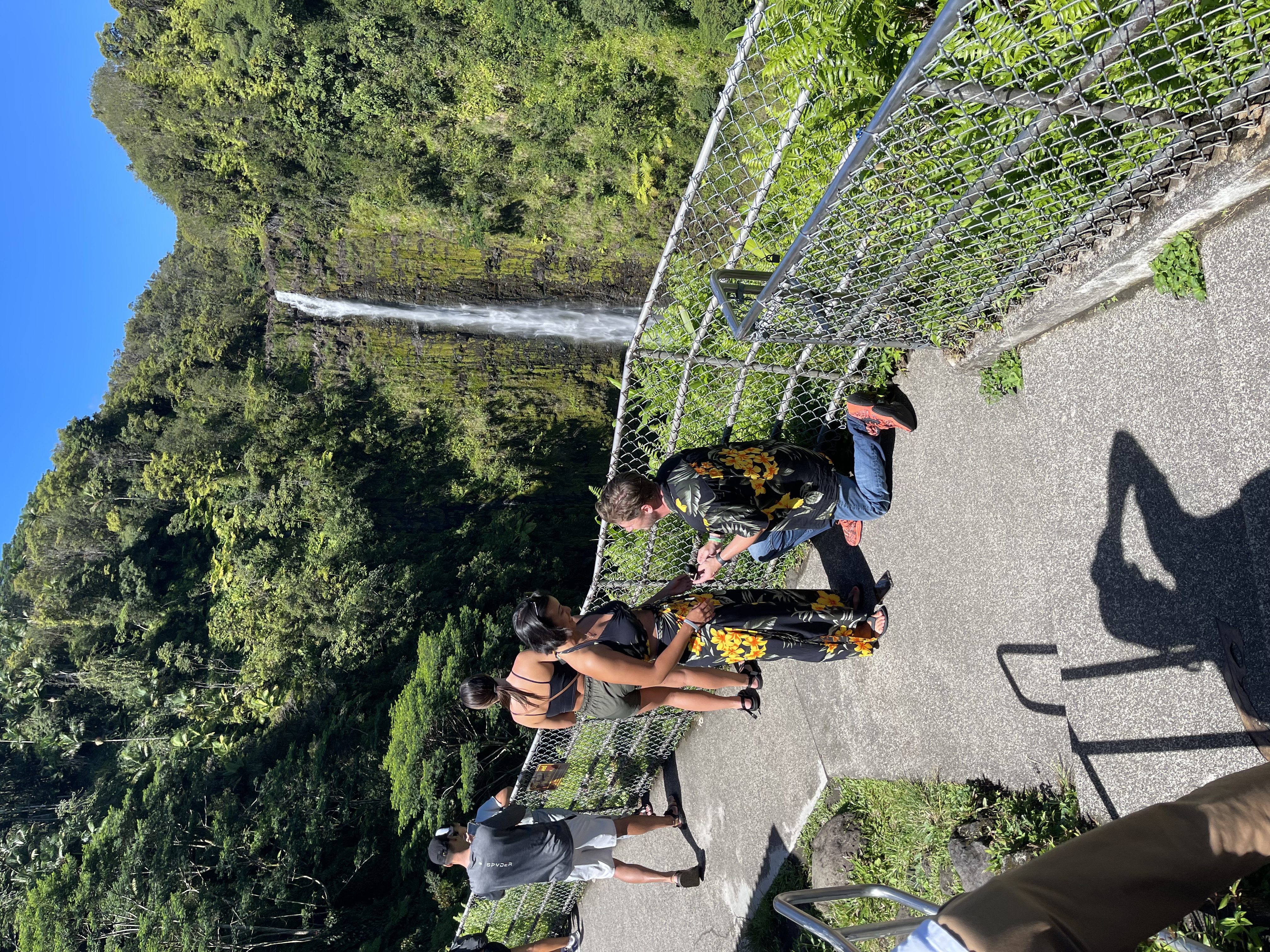
ʻAkaka Falls is an icon of the Big Island's Hāmākua Coast, a place where raw natural beauty feels both immense and easily within reach. This towering waterfall plunges 442 feet straight down into a stream-eroded gorge, surrounded by a rainforest so vibrant it feels prehistoric. Unlike many of Hawaiʻi's dramatic waterfalls that require strenuous hikes or helicopter tours to see, ʻAkaka Falls is accessible via a short, paved loop trail, making it a must-see for nearly every visitor to the east side of the island.
Our guide gives you the on-the-ground details you need to plan a rewarding visit, from navigating the trail and understanding the fees to discovering what else the stunning Hāmākua Coast has to offer.
What Makes ʻAkaka Falls a Must-See?
It’s not just the height—though at 442 feet, ʻAkaka Falls is more than five times taller than Hilo's famous Rainbow Falls. It’s the entire experience. The state park is a botanical wonderland, and the short walk to the main lookout is an attraction in itself. The air is thick with the scent of tropical flowers and damp earth, and the sounds of birds mix with the distant roar of the falls.
The park is designed around a single, memorable experience: the ʻAkaka Falls Loop Trail. Along the way, you'll also get a glimpse of a second waterfall, the 100-foot Kahūnā Falls, though it is often partially obscured by foliage. The main event, however, is the unobstructed, jaw-dropping view of ʻAkaka Falls from the final lookout. Fed by the Kolekole Stream, its consistent flow means you're almost guaranteed a spectacular sight, no matter when you visit.
Getting to ʻAkaka Falls State Park
ʻAkaka Falls State Park is located on the Hāmākua Coast, about 11 miles north of Hilo. The drive itself is part of the charm, taking you through old sugar cane country with stunning coastal views.
From Hilo: Drive north on Highway 19 (Hawaiʻi Belt Road). Between mile markers 13 and 14, turn left onto Highway 220 (ʻAkaka Falls Road). Follow this scenic road for about 3.5 miles through the small town of Honomū until you reach the park entrance and parking lot.
From Kailua-Kona or Waimea: Take Highway 19 heading east toward Hilo. You'll drive through Waimea and along the beautiful Hāmākua Coast. About 3.5 miles past the town of Hākalau, look for the right turn onto Highway 220. The drive from Kona can take over 2 hours, so it's best combined with other activities on the east side of the island.
The parking lot is right at the trailhead. It's not large and can fill up during peak hours (10 AM to 2 PM), so arriving earlier in the day is always a good strategy.
The ʻAkaka Falls Loop Trail
The main path through the park is a 0.4-mile paved loop trail that offers a truly immersive rainforest experience.
- Length: 0.4 miles (0.64 km)
- Difficulty: Easy, but with significant stairs.
- Accessibility: Due to the stairs, the trail is not wheelchair or stroller accessible.
From the parking area, you'll see the trailhead. The loop can be walked in either direction, but we recommend heading left (counter-clockwise). This route takes you down a series of steps through lush vegetation, including giant philodendrons, fragrant ginger flowers, and towering bamboo groves.
Your first stop is the Kahūnā Falls Lookout. From this viewpoint, you'll see the 100-foot Kahūnā Falls in the distance. Its visibility can depend on the season and foliage growth, but it's a pleasant preview of what's to come.
Continuing on the path, you'll cross a stream and climb another set of stairs as the sound of rushing water grows louder. The trail culminates at the main lookout platform, which provides a direct, panoramic view of ʻAkaka Falls. The sheer power and beauty of the waterfall are breathtaking. After soaking in the view, the path leads you on a short, uphill walk back to the parking lot.
The walk can be completed in about 30 minutes, but most visitors spend closer to 45-60 minutes to take photos and enjoy the scenery.
Park Hours, Fees, and Facilities
ʻAkaka Falls is a state park, and its operation is managed by the Hawaiʻi Division of State Parks. Always check the official State Parks website for the most current information before you go.
-
Hours: Typically 8:00 AM to 5:00 PM daily, with last entry around 4:30 PM. Gates are locked at closing time.
-
Entrance Fees: As of the latest update, fees are implemented for non-residents.
- Non-Residents: $10 per vehicle or $5 per person for walk-ins/cyclists. Credit card only at the kiosk.
- Hawaiʻi Residents: Free with a valid Hawaiʻi State ID or Driver's License.
-
Facilities: The park has restrooms near the parking lot and a water fountain. There are no food concessions, picnic tables, or visitor center exhibits on site. The nearby town of Honomū has a few small shops and galleries.
Best Time to Visit
There is no bad time to see ʻAkaka Falls, but you can optimize your experience.
Time of Day: The best time to visit is in the morning, ideally before 10 AM. You’ll encounter fewer crowds, find parking more easily, and often enjoy softer light for photography. Midday (10 AM - 2 PM) is the busiest time.
Time of Year: Thanks to the region's abundant rainfall, the falls are impressive year-round. They are at their most powerful during the wetter winter months (November to March), but even in the summer, they have a substantial flow. A little rain shouldn't deter you; it only adds to the lush, tropical atmosphere.
What to Bring
Your visit will be short, but a few items will make it more comfortable.
- Comfortable Shoes: While the path is paved, there are stairs and some uneven surfaces. Sneakers are perfect.
- Rain Jacket: A light rain jacket is always a good idea on the Hāmākua Coast, as passing showers are common.
- Camera: The photo opportunities are fantastic.
- Water: Stay hydrated, especially on a warm day.
- Insect Repellent: Recommended, especially if you're prone to mosquito bites.
For a more comprehensive plan, check out some of our favorite Big Island itineraries to see how ʻAkaka Falls can fit into a full day of exploration.
Related Posts:
- A Guide to Rainbow Falls and the Wailuku River State Park (/blog/rainbow-falls-boiling-pots-guide)
- Driving the Hāmākua Coast Scenic Route (/blog/hamakua-coast-scenic-drive)
- Exploring Hawaiʻi Volcanoes National Park (/blog/hawaii-volcanoes-national-park-guide)